
.png)
Your Impact in Action
FPWR’s Impact Report highlights recent research investments, treatment progress, and how our work helps families today.
Heading 1
with a request body that specifies how to map the columns of your import file to the associated CRM properties in HubSpot.... In the request JSON, define the import file details, including mapping the spreadsheet's columns to HubSpot data. Your request JSON should include the following fields:... entry for each column.
-4.png)
How FPWR Helped Move VYKAT XR Forward
1. Early Investment
In 2014, FPWR funded the first DCCR study, helping establish its potential in PWS.
2. Clinical Development
The PATH for PWS study collected long-term comparison data to support treatment development.
3. Registry Data
Since 2015, the Global PWS Registry has built natural history and real-world data on PWS.
4. FDA Approval +
VYKAT XR was FDA approved in 2025. FPWR continues to bring community priorities, experience, and data into what comes next.
Heading 1
with a request body that specifies how to map the columns of your import file to the associated CRM properties in HubSpot.... In the request JSON, define the import file details, including mapping the spreadsheet's columns to HubSpot data. Your request JSON should include the following fields:... entry for each column.
-2.png)
Driving PWS Discovery
Since our founding, FPWR has funded more than 300 research projects worldwide, helping scientists test bold ideas and move promising discoveries toward treatments.
Heading 1
with a request body that specifies how to map the columns of your import file to the associated CRM properties in HubSpot.... In the request JSON, define the import file details, including mapping the spreadsheet's columns to HubSpot data. Your request JSON should include the following fields:... entry for each column.
The Tools That Power Discovery
Scientific discovery depends on more than individual research projects. It requires shared resources, reliable data, validated research tools, and strong collaboration across the scientific community.
FPWR has helped build the research infrastructure that makes this possible. By investing in resources that serve the entire PWS research community, we have reduced barriers to discovery, strengthened collaboration, and enabled researchers to answer bigger questions more quickly.
Among the most important resources FPWR has helped develop are:
Biorepositories
High-quality biological samples are now available to researchers, accelerating studies and helping scientists validate discoveries using shared resources.
Cellular and Animal Models
Researchers around the world now have access to cellular and animal models that make it possible to study PWS biology, test new therapeutic approaches, and build on one another's discoveries instead of starting from scratch.
Patient Registries
Thousands of families have contributed real-world health information through the Global PWS Registry, creating one of the most valuable sources of natural history and patient-reported data for PWS research and clinical trial planning.
Clinical Outcome Measures
Researchers and clinical trial sponsors now have validated tools to measure PWS-specific symptoms and treatment benefit, improving the quality of PWS clinical trials and making it easier to evaluate new therapies.
Progress Through Partnership
PWS is too complex for any one researcher, institution, or company to solve alone. Today, researchers, clinicians, industry partners, and families are working together in ways that are accelerating discovery, strengthening clinical research, and bringing new treatments closer to reality.
The PWS Clinical Investigation Collaborative (PWS-CLIC) is a growing network of expert clinicians that are sharing knowledge to improve how we care for people with PWS, expanding our capacity to conduct high-quality clinical research and trials.
The PWS Clinical Trials Consortium (PWS-CTC) has brought together clinicians, researchers, and pharmaceutical companies to solve shared challenges in PWS clinical development. Through this collaboration, the community is developing common tools, improving trial readiness, and making it easier to evaluate new therapies across studies.
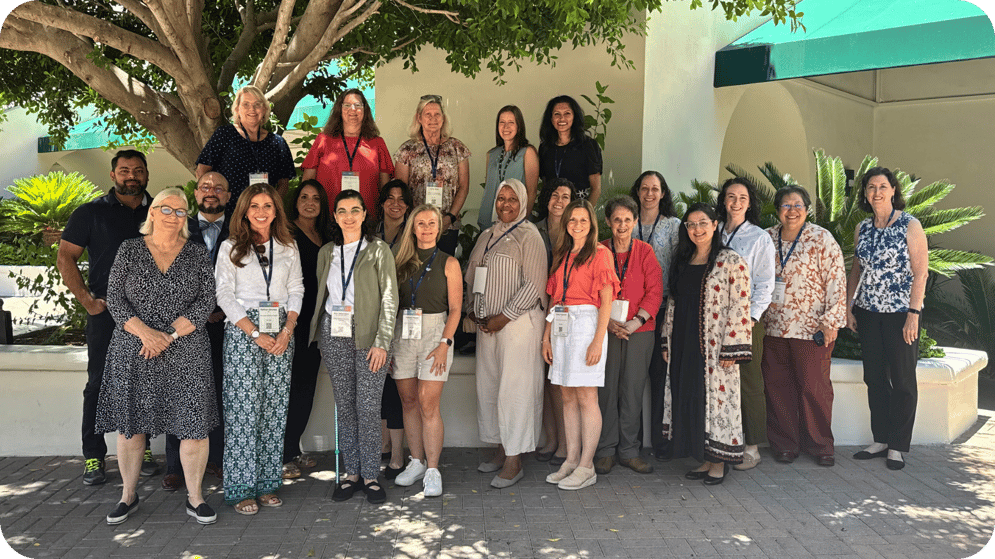
Beyond these initiatives, FPWR regularly convenes researchers, clinicians, industry leaders, and families through scientific meetings, working groups, workshops, and collaborative initiatives. These connections spark new ideas, encourage data sharing, reduce duplication of effort, and help promising discoveries move more quickly from the laboratory to clinical testing.
Scientific progress happens faster when people work together. By creating opportunities to share knowledge, solve problems collectively, and align around common goals, FPWR is helping build a stronger, more connected PWS research community.
.png)
Research You Can Use
The impact of research doesn't end when a study is published. FPWR works to ensure new findings reach the people who need it most.
Heading 1
with a request body that specifies how to map the columns of your import file to the associated CRM properties in HubSpot.... In the request JSON, define the import file details, including mapping the spreadsheet's columns to HubSpot data. Your request JSON should include the following fields:... entry for each column.

Help accelerate new treatments for Prader-Willi syndrome.
Heading 1
with a request body that specifies how to map the columns of your import file to the associated CRM properties in HubSpot.... In the request JSON, define the import file details, including mapping the spreadsheet's columns to HubSpot data. Your request JSON should include the following fields:... entry for each column.

Research depends on families like yours. Help drive the next breakthrough.
Heading 1
with a request body that specifies how to map the columns of your import file to the associated CRM properties in HubSpot.... In the request JSON, define the import file details, including mapping the spreadsheet's columns to HubSpot data. Your request JSON should include the following fields:... entry for each column.
Receive the latest research news and updates once a month.
Heading 1
with a request body that specifies how to map the columns of your import file to the associated CRM properties in HubSpot.... In the request JSON, define the import file details, including mapping the spreadsheet's columns to HubSpot data. Your request JSON should include the following fields:... entry for each column.