

Our Research Strategy

Accelerating discovery. Advancing treatments. We're building a better future for people living with PWS.

Heading 1

with a request body that specifies how to map the columns of your import file to the associated CRM properties in HubSpot.... In the request JSON, define the import file details, including mapping the spreadsheet's columns to HubSpot data. Your request JSON should include the following fields:... entry for each column.

Heading 1

with a request body that specifies how to map the columns of your import file to the associated CRM properties in HubSpot.... In the request JSON, define the import file details, including mapping the spreadsheet's columns to HubSpot data. Your request JSON should include the following fields:... entry for each column.

AddisonThe Foundation for Prader-Willi Research (FPWR) is committed to transforming the lives of individuals with Prader-Willi syndrome (PWS) through the advancement of research and therapeutic development.


Our strategy is ambitious and clear: accelerate the development of meaningful treatments while building the scientific knowledge needed to ultimately address the root causes of these conditions.


FPWR has helped shape the research landscape for PWS. What began as a small grant program has evolved into a comprehensive research engine that supports innovative science, develops critical research resources, engages industry partners, and empowers families to drive discovery.


FPWR's research strategy is built around four interconnected areas of focus:


  • Building the Knowledge That Drives Discovery
  • Establishing the Infrastructure that Powers Progress
  • Developing New Treatments
  • Improving Care for People with PWS

Together, these efforts move promising ideas from the laboratory to the clinic—and ultimately to the individuals and families who need them most.


Building the Knowledge That Drives Discovery


Breakthrough treatments begin with a deep understanding of disease biology. FPWR invests in research that uncovers the mechanisms underlying PWS, helping scientists identify new therapeutic targets and develop more effective, personalized approaches to treatment.


Understanding the Impact of Genetics


P
WS is a spectrum disorder with individuals experiencing symptoms uniquely. Understanding why symptoms vary—and why treatments work better for some individuals than others—can help guide future therapies. Research priorities include:

  • Genotype-phenotype relationships
  • Genetic modifiers of disease severity
  • Precision medicine approaches
  • Natural history studies
  • Longitudinal patient data analysis

Through initiatives such as the Global PWS Registry, researchers can connect genetic information with real-world patient experiences to gain deeper insights into disease progression and treatment response.


Understanding the Brain and Behavior


Individuals with PWS and SYS face many potential difficulties. Hyperphagia, behavioral challenges, intellectual disability, autism-related features, anxiousness, psychosis, and other neurodevelopmental symptoms remain among the greatest unmet needs in PWS and SYS. 
FPWR supports research that seeks to understand:

  • The neurobiology of appetite regulation and hyperphagia
  • Energy balance and metabolism
  • Neurodevelopmental pathways
  • The underlying basis of mental health and behavioral symptoms

By understanding how these conditions affect the brain and body, researchers can identify new targets for future therapies and improved treatment strategies.

Young woman and older woman smiling as they look at a laptop together.

Turning Patient Data Into Research Breakthroughs

The Global PWS Registry strengthens research initiatives with longitudinal data, natural history insights, and participant recruitment support.

Heading 1

with a request body that specifies how to map the columns of your import file to the associated CRM properties in HubSpot.... In the request JSON, define the import file details, including mapping the spreadsheet's columns to HubSpot data. Your request JSON should include the following fields:... entry for each column.
 

Powering Research Progress


Scientific discoveries don't happen on their own. Progress depends on robust research infrastructure, strong collaborations, and access to high-quality data and resources. Many of these essential tools fall outside the scope of traditional funding mechanisms, making FPWR uniquely positioned to fill critical gaps and accelerate the pace of discovery.


Research Resources and Infrastructure


FPWR invests in resources that enable scientists to work more efficiently and effectively, including:

  • The Global PWS Registry
  • Biological sample collections and biobanking
  • Disease models and research tools
  • Data-sharing and collaboration platforms
  • Research networks and consortiums

These resources support investigators across disciplines and create a stronger, more connected research ecosystem.


Accelerating Clinical Research

FPWR works closely with academic investigators, clinicians, industry partners, regulators, and families to strengthen the clinical research landscape.

These efforts include:

  • Supporting clinical trial recruitment and retention
  • Expanding trial readiness and site capacity
  • Developing meaningful outcome measures
  • Facilitating collaboration among stakeholders
  • Ensuring the patient and caregiver voice is represented throughout the research process

By helping researchers and companies navigate the unique challenges of rare disease research, we can accelerate the development of new therapies.

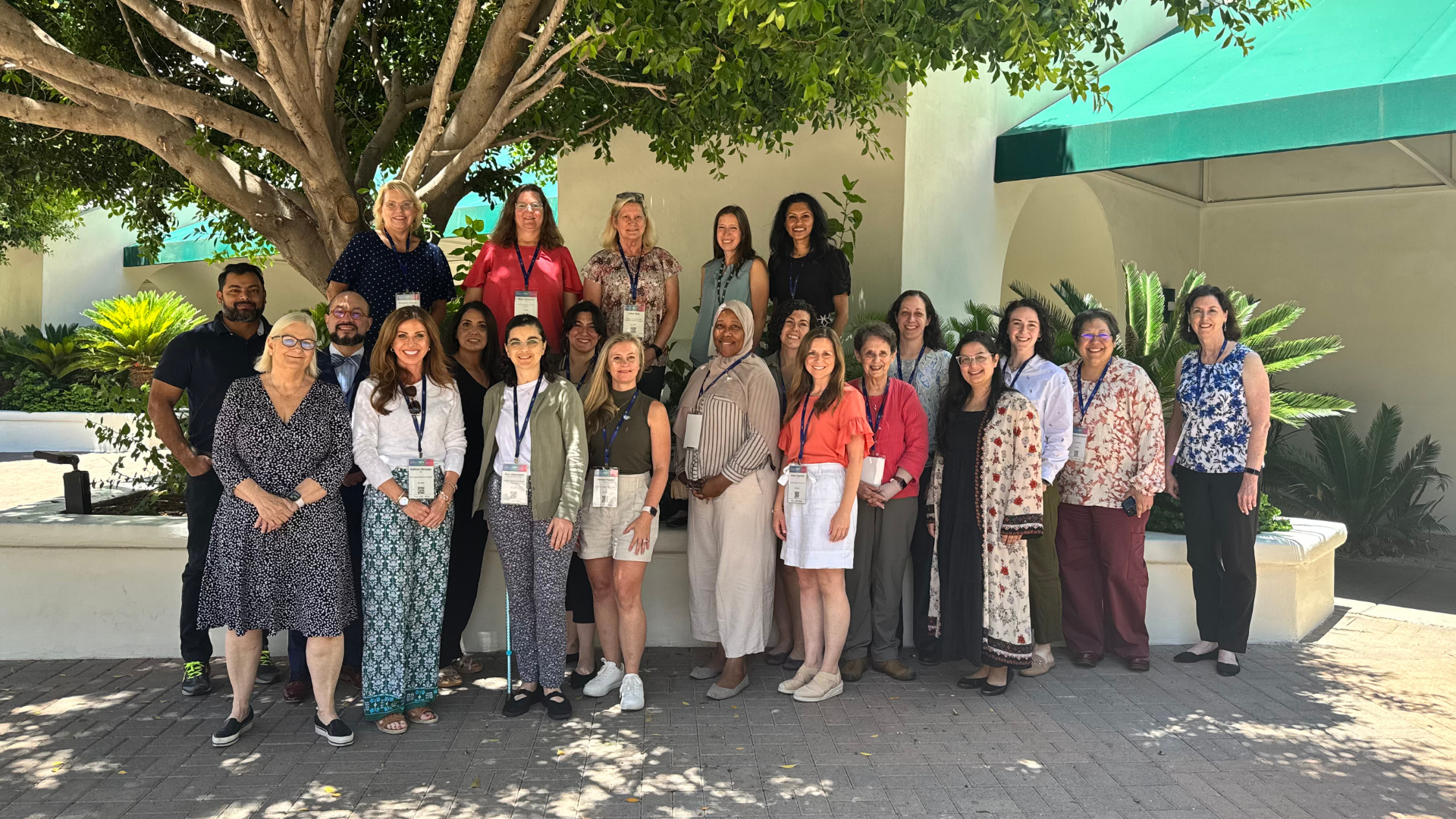
Group of PWS clinicians and researchers wearing conference badges pose together outdoors beneath a large tree.

The fastest path to new treatments isn't just funding great ideas—it's ensuring scientists have access to the shared resources, patient data, and collaborative networks they need to succeed.
Developing New Treatments


FPWR actively supports the translation of scientific discoveries into therapies. We focus on reducing barriers, de-risking promising approaches, and helping move treatments through the development pipeline as efficiently as possible.


Drug Development and Repurposing


FPWR supports both novel drug development and the evaluation of existing therapies that may benefit individuals with PWS. Our investments help:

  • Identify promising therapeutic targets
  • Generate proof-of-concept data
  • Support early-stage clinical studies
  • Advance biomarkers and outcome measures
  • Bridge critical funding gaps that often slow progress

This approach has contributed to numerous clinical programs and helped attract industry investment into PWS research.

Gene-Targeted Therapies


Gene-targeted approaches hold the potential to address the underlying cause of PWS. FPWR has been a leader in supporting early research exploring strategies such as:


  • Gene replacement
  • Epigenetic therapies
  • CRISPR-based editing and activation approaches
  • Novel gene-regulation technologies

While these programs represent longer-term investments, they offer the possibility of fundamentally transforming the course of disease and remain an important component of FPWR's research portfolio.


Improving Care for People with PWS


While we pursue transformative therapies, we remain focused on improving the health, well-being, and daily lives of individuals living with PWS, using the tools and interventions available today. 


Many of the challenges associated with PWS —including behavioral difficulties, mental health concerns, sleep disorders, scoliosis, gastrointestinal issues, hypotonia, and other medical complications—can significantly impact quality of life. Yet many important questions remain about how to best prevent, manage, and treat these challenges.


FPWR supports clinical and translational research designed to:

  • Better understand common medical complications
  • Evaluate existing medications and interventions
  • Identify evidence-based approaches to treatment and support
  • Improve clinical care guidelines
  • Educate health care professionals about the unique medical needs of those with PWS
  • Reduce caregiver burden and improve family outcomes

By supporting studies that can quickly translate into improved care, we help ensure that research delivers meaningful benefits while longer-term therapeutic programs continue to advance.

Fueling Innovation Through Research Grants


A strong research ecosystem depends on a steady pipeline of new ideas. FPWR's grant program supports innovative, high-impact research across a broad range of disciplines, from basic science and therapeutic development to clinical research and research infrastructure.


We intentionally invest in promising early-stage projects that may be too novel or high-risk for traditional funding sources. These investments often generate the preliminary data needed to attract larger government grants, industry partnerships, and additional funding.


Our grant program also helps bring new investigators into the field, fosters collaboration across disciplines, and ensures that the PWS research community continues to grow.


Every year, donor support enables FPWR to fund innovative projects that expand scientific understanding, create new opportunities for treatment development, and bring us closer to fulfilling our mission.

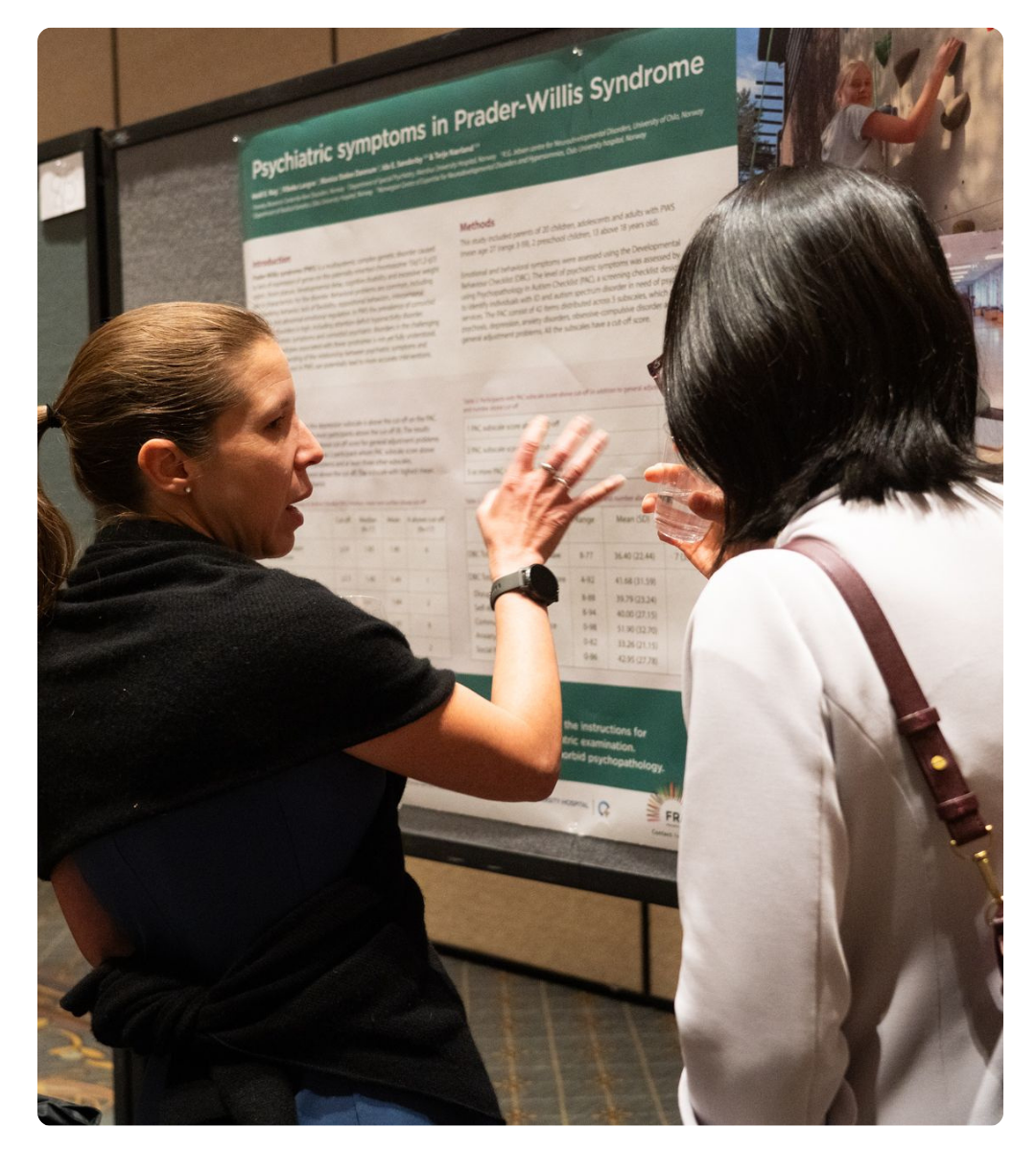
Two researchers discuss a scientific poster about psychiatric symptoms in Prader-Willi syndrome at a conference.

300+ Research Projects Funded

Every project we fund brings us closer to better treatments for Prader-Willi and Schaaf-Yang syndromes. By investing in innovative science and fostering collaboration, FPWR is helping transform promising discoveries into real-world progress

Heading 1

with a request body that specifies how to map the columns of your import file to the associated CRM properties in HubSpot.... In the request JSON, define the import file details, including mapping the spreadsheet's columns to HubSpot data. Your request JSON should include the following fields:... entry for each column.

Research Powered By Families


Families are the driving force behind progress in PWS research. Every survey completed, Registry record contributed, clinical trial joined, biological sample donated, and research study participated in adds to our collective understanding of these complex conditions.


Researchers cannot make discoveries without the participation of individuals with PWS and the families who support them. Their lived experiences help shape research priorities, improve study design, strengthen clinical trials, and accelerate the development of meaningful treatments.


A Strategy Built for Progress


FPWR's research strategy is designed to accelerate discoveries, reduce barriers to therapeutic development, and ensure that promising ideas move as quickly as possible toward the people who need them most.


By investing across the entire research ecosystem—from improving clinical care and understanding disease biology to developing new treatments and building critical research infrastructure—we create multiple pathways to progress while strengthening the foundation for future breakthroughs.


Together with researchers, clinicians, industry partners, and families, FPWR is advancing innovative research and bold initiatives that bring us closer to better treatments, improved quality of life, and a brighter future for individuals with PWS.