

Diagnosis and Treatments

Learn how Prader-Willi syndrome is diagnosed, why early and coordinated care matters, and which treatments can support health, development, and quality of life.


Although there is currently no cure for Prader-Willi syndrome, early diagnosis and comprehensive medical care can significantly improve health, development, and quality of life. While living with PWS remains challenging for individuals and their families, research is creating new reasons for hope.

Treatment options for PWS continue to expand. Recent advances include the first FDA-approved treatment for hyperphagia, while genetic therapy research is working toward treatments that may one day address PWS at its source.

How is Prader-Willi syndrome diagnosed?

Prader-Willi syndrome may first be suspected based on clinical signs. In newborns and infants, hypotonia (low muscle tone or “floppiness”) and difficulty feeding are important signs that should prompt testing for PWS.

PWS is confirmed through genetic testing, usually using a blood sample. Current first-tier testing typically includes DNA methylation analysis and a SNP microarray. Methylation analysis can detect more than 99% of PWS cases, while the SNP microarray can help determine the genetic subtype, including a deletion, maternal uniparental disomy (UPD), or an imprinting defect.

FISH (fluorescence in situ hybridization) testing can identify some PWS deletions but cannot detect all genetic subtypes. Today, methylation analysis and SNP microarray are preferred for diagnosis and subtype testing.

Identifying the genetic subtype is important because it can provide additional information about PWS and help families understand the chance of PWS occurring again in a future pregnancy. For most families, the recurrence risk is very low, although some rare genetic causes can carry a higher risk.

If PWS is strongly suspected but initial testing is negative or unclear, a medical geneticist can recommend additional testing or evaluate for other conditions with similar features.

Signs that may lead to testing:

Not every child with PWS will have all of these signs.


During infancy

  • Low muscle tone (hypotonia)
  • Difficulty feeding
  • Weak cry
  • Low alertness or excessive sleepiness
  • Difficulty gaining weight
  • Underdeveloped genitals
  • Delayed development
  • Lighter skin, hair, or eyes than other family members
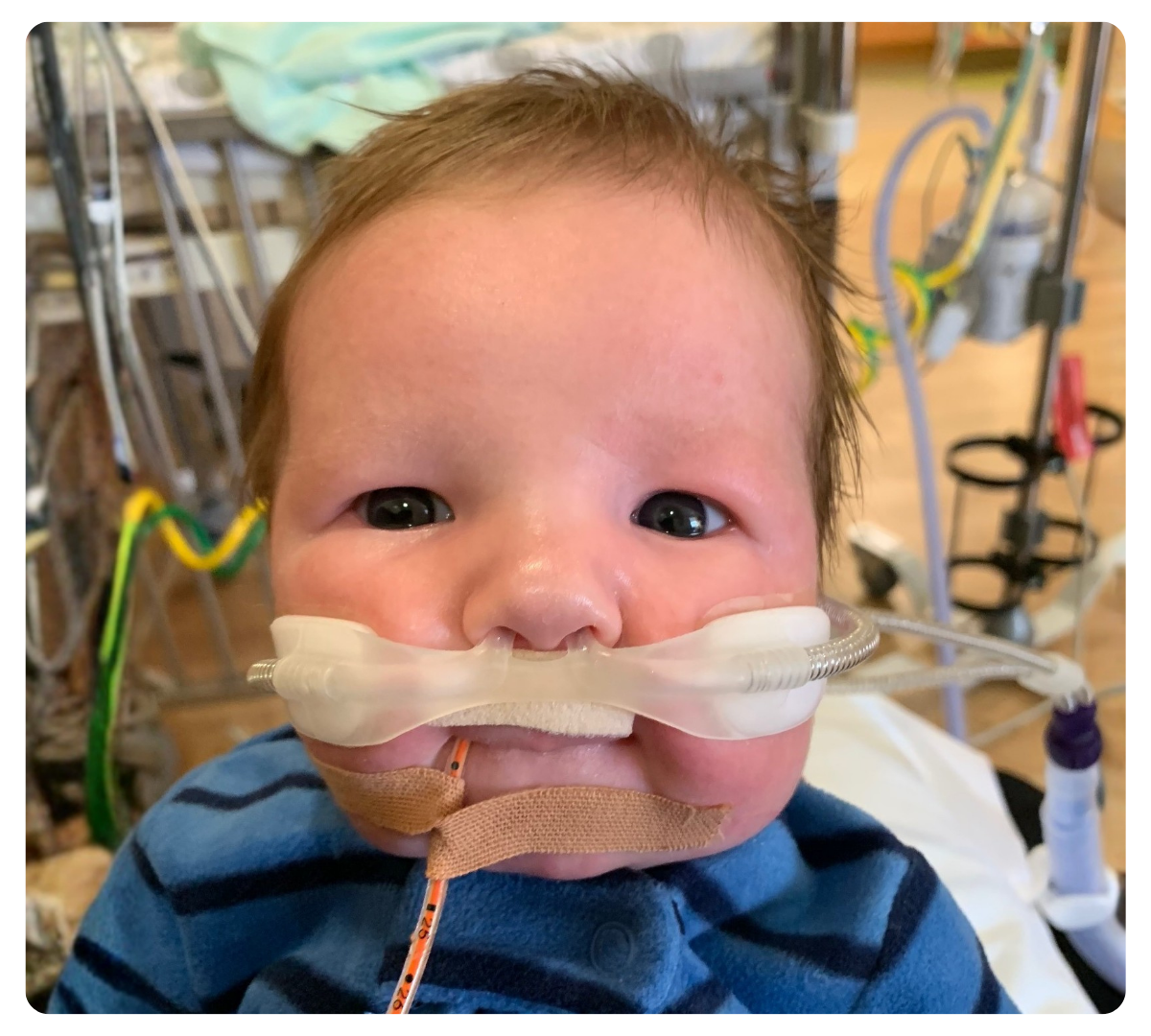
NICU baby

During childhood

  • Increasing interest in food or excessive hunger (hyperphagia)
  • Rapid or excessive weight gain
  • Short stature
  • Developmental delays
  • Learning differences
  • Behavioral or emotional challenges
  • Low muscle tone or reduced strength
Win in DC

Because these signs can overlap with other conditions, genetic testing is needed to confirm a diagnosis of PWS.

Want to understand what causes PWS? Learn more about the genetics of PWS

Why is early diagnosis important?


Early diagnosis allows children to receive specialized care during the critical early years of development.  Benefits include:

  • Earlier initiation of growth hormone therapy
  • Physical, occupational, and speech therapy
  • Nutritional guidance
  • Early intervention services
  • Family education and support
  • Earlier monitoring for endocrine, orthopedic, and sleep concerns

Research consistently shows that early intervention can improve developmental outcomes and overall health.

A man and woman smiling as they hold a newborn baby outdoors.

Recently Diagnosed with Prader-Willi Syndrome?

First Steps: A Parent's Guide to Prader-Willi Syndrome is a practical resource to help you navigate the early days with confidence.

Heading 1

with a request body that specifies how to map the columns of your import file to the associated CRM properties in HubSpot.... In the request JSON, define the import file details, including mapping the spreadsheet's columns to HubSpot data. Your request JSON should include the following fields:... entry for each column.

Is there a cure for Prader-Willi syndrome?


There is currently no cure for Prader-Willi syndrome. Today’s treatments focus on managing symptoms, improving health, and helping people with PWS live fuller, healthier lives.

Research is aiming beyond symptom management. Genetic therapies are being developed to address PWS at its source by restoring the function of genes that are normally active but are missing or silenced in people with PWS.

The Foundation for Prader-Willi Research is accelerating this work by funding promising genetic therapy research, connecting scientists and research teams, and supporting the tools needed to move discoveries toward clinical trials.


Learn how genetic therapies can change the future of PWS

What treatments are available now?


Treatment for PWS is individualized and changes across the lifespan. Current care can address many aspects of PWS, including growth and development, nutrition and hyperphagia, hormone deficiencies, sleep, behavior, and other health concerns.


Growth Hormone Therapy

Growth hormone therapy is standard treatment for children with Prader-Willi syndrome and can also benefit adults. Beyond increasing height, it can improve body composition, muscle mass, bone health, stamina, and motor development. Research also suggests possible benefits for cognition and behavior.

Because many benefits are greater when treatment begins early, babies and children with PWS should be evaluated for growth hormone therapy soon after diagnosis. Treatment should be prescribed and monitored by an endocrinologist familiar with PWS.


Nutrition, Weight Management, and Hyperphagia

One of the defining features of Prader-Willi syndrome is hyperphagia—a persistent, biological drive to eat caused by changes in the brain's regulation of hunger and satiety. Hyperphagia is much more than an increased appetite—it is a chronic medical symptom that requires lifelong management.


People with PWS may also need fewer calories because of reduced muscle mass and lower energy expenditure, making lifelong nutrition and weight management an essential part of caring for the person with PWS.

Young child wearing glasses sits in a shopping cart and holds a small water carton in a grocery store.

Care often includes:

  • A nutritionally balanced, reduced-calorie diet

  • Structured meals and snack times

  • Food security strategies that limit unsupervised access to food

  • Regular physical activity

  • Ongoing monitoring of growth, weight, and body composition

  • Support from healthcare providers

Treatment options are expanding. VYKAT™ XR (diazoxide choline) is the first FDA-approved medication for hyperphagia. While medication represents an important advance, it is intended to complement—not replace—nutrition, food security, physical activity, and other aspects of comprehensive care.

 
Teen boy smiling outdoors in a white shirt.

What is Hyperphagia?

Learn what hyperphagia is, how it affects people with PWS, and the strategies and treatments that can help.

Heading 1

with a request body that specifies how to map the columns of your import file to the associated CRM properties in HubSpot.... In the request JSON, define the import file details, including mapping the spreadsheet's columns to HubSpot data. Your request JSON should include the following fields:... entry for each column.

Developmental Therapies

PWS can affect muscle tone, motor skills, communication, learning, and social development. Early intervention often begins in infancy, with support changing as a child grows.

Depending on individual needs, support may include physical therapy, occupational therapy, speech-language therapy, early intervention services, and educational accommodations.


New to PWS? Our First Steps Guide offers practical information and resources for families navigating the first months after diagnosis.


Endocrine and Hormone Care


Hormone-related conditions are common in PWS and need monitoring throughout life. These can include low thyroid hormone and low levels of sex hormones, which can affect puberty, bone health, muscle development, energy, and other aspects of health.

Hypogonadism, or low production of sex hormones, is especially common in PWS. An endocrinologist familiar with PWS can monitor hormone levels and development and recommend hormone replacement when appropriate.

Learn more about puberty and sexual development in PWS.


Behavioral and Mental Health Support

Behavioral and emotional challenges are common in PWS and can change throughout life. Children and adults may experience anxiety, rigidity, emotional outbursts, repetitive or obsessive behaviors, difficulty with transitions, and challenges with social interactions. Some people with PWS may also develop mental health conditions that require specialized care.


Many of these challenges are shaped by the biology of PWS. Consistent routines, predictable environments, behavioral support, and, when appropriate, medication can help reduce distress and support individuals and families.


Young woman with long blonde hair looks at the camera while seated indoors.

Mental Health Changes in PWS

Learn what changes to watch for, when to seek help, and how to support your loved one.

Heading 1

with a request body that specifies how to map the columns of your import file to the associated CRM properties in HubSpot.... In the request JSON, define the import file details, including mapping the spreadsheet's columns to HubSpot data. Your request JSON should include the following fields:... entry for each column.

Sleep Disorders and Excessive Daytime Sleepiness

Sleep problems are common in PWS and can affect health, learning, behavior, and quality of life. These may include sleep apnea and other breathing disorders, disrupted nighttime sleep, and excessive daytime sleepiness. Daytime sleepiness can persist even when nighttime sleep and sleep apnea are appropriately treated.

Evaluation by a sleep specialist can help identify the cause and guide treatment. Depending on the individual, treatment may include support for sleep-disordered breathing, such as CPAP or BiPAP, or medication to improve daytime alertness.


Learn more: The Impact of Sleep on Behavior and Mental Health in PWS

 

Young blond boy smiles at the camera while seated in a scoliosis brace.

Scoliosis and Orthopedic Care

Scoliosis is common in Prader-Willi syndrome and may affect up to 70% of people with PWS by skeletal maturity. Curvature of the spine can develop in infancy, childhood, or adolescence, so regular screening is an important part of routine care.

When scoliosis is present, treatment depends on the severity and progression of the curve and may include monitoring, bracing, physical therapy, or surgery. Growth hormone has not been shown to increase the risk or progression of scoliosis, but the spine should continue to be monitored during treatment.


Additional Health Considerations

In addition to the core features of Prader-Willi syndrome, individuals with PWS often experience many other medical conditions that require ongoing monitoring and treatment. Although these concerns vary from person to person, recognizing them early can help prevent complications and improve quality of life.


Constipation
 

Constipation is common in people with PWS and can easily go unrecognized. Low muscle tone, slower movement through the digestive tract, and limited fluid intake can all contribute.

Treatment focuses on keeping bowel movements soft and regular. Some PWS specialists describe constipation medications as “mushers and pushers”: osmotic laxatives help soften stool by drawing in fluid, while stimulant laxatives help move stool through the intestines. A healthcare provider can recommend the right approach based on individual needs.

Persistent constipation, abdominal pain or swelling, vomiting, or a significant change in bowel habits should be discussed with a healthcare provider.

Conference video recap presented by Dr. Anne Scheimann: GI Issues in PWS


Skin Picking

Skin picking is a common behavior in people with PWS and can range from mild to severe. Repeated picking may lead to open wounds, infection, and scarring. Treatment typically includes behavioral strategies, protecting the skin, treating underlying wounds, and, in some individuals, medication. Research has also explored the use of N-acetylcysteine (NAC) as a potential treatment for reducing skin-picking behaviors in some individuals with PWS.


Oral Health

Individuals with PWS face many of the same common dental issues as the general population. However, low saliva production and high rates of teeth grinding in PWS create additional stressors that can make it more difficult to maintain healthy teeth and gums. A strong oral hygiene routine and regular dental visits can help prevent some of these dental problems, and early treatment can help keep them from worsening.


Learn more about oral health in PWS:


For Healthcare Providers

These clinical references provide additional guidance for healthcare professionals caring for people with PWS.


Research is Changing the Future of PWS


The outlook for people with Prader-Willi syndrome has changed dramatically over the past decade. For years, treatment focused primarily on managing symptoms through nutrition, hormone therapy, developmental supports, and specialized medical care. Today, a growing pipeline of new therapies is expanding treatment options while researchers pursue approaches that may one day address the underlying genetic cause of PWS.

This progress is creating more treatment options and new possibilities for people with PWS to live healthy, fulfilling lives.

FPWR is helping drive this progress by funding innovative research, supporting clinical trials, developing tools such as the Global PWS Registry, and bringing together scientists, clinicians, industry partners, and families to accelerate better treatments and, ultimately, a cure.


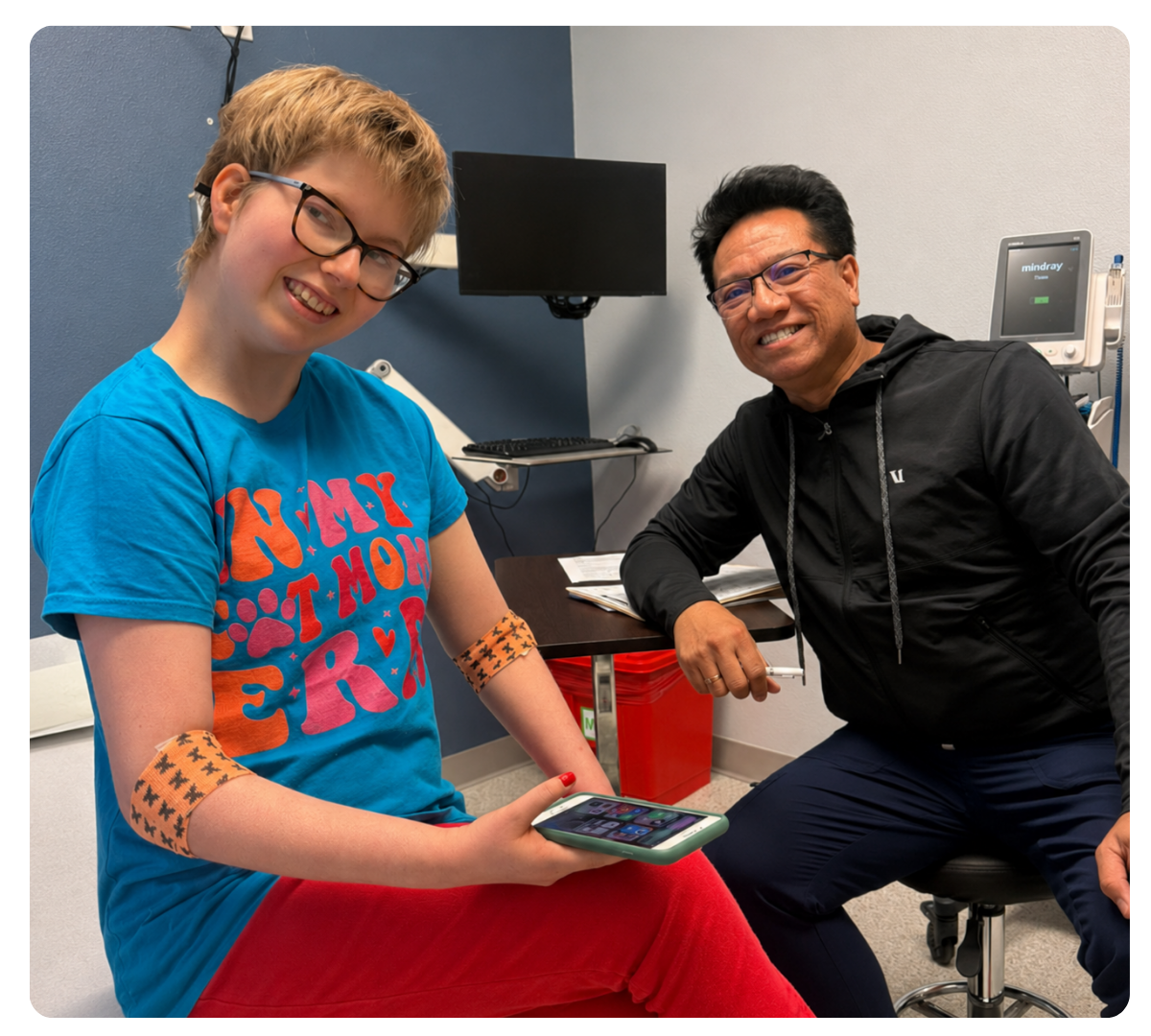
Young woman wearing glasses sits beside a smiling healthcare professional in an exam room, with monitoring patches on her arms.

Could a Clinical Trial Be Right for You?

Clinical trials help move potential treatments forward. Learn which PWS studies are currently recruiting, what participation involves, and whether an opportunity may be a fit for you or your loved one.

Heading 1

with a request body that specifies how to map the columns of your import file to the associated CRM properties in HubSpot.... In the request JSON, define the import file details, including mapping the spreadsheet's columns to HubSpot data. Your request JSON should include the following fields:... entry for each column.

Frequently Asked Questions

What genetic test confirms Prader-Willi syndrome?

DNA methylation analysis is a key test used to diagnose Prader-Willi syndrome and can identify more than 99% of cases.

At what age is Prader-Willi syndrome usually diagnosed?

Prader-Willi syndrome is often diagnosed in infancy, when low muscle tone (hypotonia), feeding difficulties, and difficulty gaining weight prompt genetic testing. Some people are diagnosed later in childhood, adolescence, or adulthood, particularly when early signs are mild or go unrecognized.

Can Prader-Willi syndrome be diagnosed before birth?

Yes. In some cases, prenatal testing can identify the genetic changes associated with Prader-Willi syndrome. However, most individuals are diagnosed after birth.

Is Prader-Willi syndrome inherited?

Most cases of Prader-Willi syndrome are not inherited. They happen because of a genetic change that occurs by chance. Rarely, PWS is caused by an inherited imprinting defect, which can increase the chance of recurrence in a family. A genetic counselor can help explain the specific risk for future pregnancies.

What causes Prader-Willi syndrome?

Prader-Willi syndrome is caused by the loss of expression of specific genes on chromosome 15 that are normally active on the chromosome 15 inherited from the father. This can occur because of a deletion of the paternal chromosome 15 region, maternal uniparental disomy (UPD), or an imprinting defect. Although these genetic changes differ, they all result in the same underlying problem: certain genes needed for normal growth, metabolism, appetite regulation, and development are not active.

Is growth hormone therapy recommended for children with PWS?

Yes. Growth hormone therapy is a standard treatment for most children with Prader-Willi syndrome and is often started in infancy. Benefits extend beyond height and can include improved muscle mass, body composition, bone health, physical function, and motor development. Children should be evaluated by an endocrinologist familiar with PWS before treatment begins and monitored regularly during therapy.


Is growth hormone therapy recommended for adults with PWS?

Yes. Growth hormone therapy can also benefit adults with Prader-Willi syndrome. Research has shown improvements in body composition, including increased lean body mass and reduced body fat, as well as benefits for muscle strength and exercise capacity. Treatment should be individualized and monitored by an endocrinologist familiar with PWS. 

Can hyperphagia be treated?

Hyperphagia is a lifelong medical condition that is best managed through a combination of food security, structured routines, nutritional management, regular physical activity, behavioral strategies, and medication when appropriate.

VYKAT™ XR (diazoxide choline) is currently the only FDA-approved treatment for hyperphagia in people with PWS. Medication is intended to complement these environmental and behavioral strategies for managing hyperphagia—not replace them. 

What are the symptoms of Prader-Willi syndrome?

Symptoms of Prader-Willi syndrome vary by age. Infants commonly have low muscle tone (hypotonia), feeding difficulties, poor growth, and developmental delays. During early childhood, excessive hunger (hyperphagia), rapid weight gain, short stature, hormone deficiencies, learning differences, and behavioral challenges often become more apparent.

Is there a cure for Prader-Willi syndrome?

Not yet. There is currently no cure for Prader-Willi syndrome. Current treatments focus on managing symptoms and improving health while researchers develop disease-modifying therapies, including genetic therapies that aim to address the underlying cause of the disorder.

What treatments are available for Prader-Willi syndrome?

Treatment for Prader-Willi syndrome typically includes growth hormone therapy, nutrition and weight management, food security strategies, physical activity, developmental therapies, hormone replacement when needed, behavioral support, and regular medical care. Some individuals may also benefit from medications such as VYKAT™ XR, the only FDA-approved treatment currently indicated for hyperphagia in people with PWS.

Are new treatments for Prader-Willi syndrome being developed?

Yes. Researchers are developing new treatments for several aspects of PWS, including hyperphagia, excessive daytime sleepiness, behavior, and other symptoms. Genetic therapies are also being studied with the goal of addressing PWS at its underlying genetic source.

FPWR helps advance this work by funding research and supporting the path from discovery to clinical trials.


What is the life expectancy of someone with PWS?

Individuals with PWS have a higher mortality rate than typical individuals across the lifespan, but life expectancy in the PWS population has improved significantly because of earlier diagnosis, better nutrition, growth hormone therapy, and improved medical care. Maintaining a healthy weight and managing obesity-related complications are key factors in improving long-term health. Today, many people with Prader-Willi syndrome are living healthier and longer lives than ever before, with many individuals living into their 50s, 60s, and beyond.


Next Steps


Whether your family is newly diagnosed or has been living with PWS for years, FPWR offers trusted resources to help you navigate every stage of the journey. Here are a few resources to help guide you through your journey: