
Puberty and Sexual Development in Prader-Willi Syndrome
An overview of puberty and sexual development in PWS, including common differences, recommended evaluation, and treatment with sex hormone replacement therapy.
Puberty is an important stage of development, bringing physical, hormonal, and emotional changes as children mature into adulthood. For most people with Prader-Willi syndrome (PWS), however, puberty develops differently than it does in the general population.
Many children and teens with PWS start puberty later than expected, progress through puberty more slowly, or do not complete puberty without medical treatment. The most common reason is hypogonadism, a condition where the body does not produce enough sex hormones, such as testosterone or estrogen. (Link "hypogonadism" to the MedlinePlus definition.)
Hypogonadism is a common endocrine feature of Prader-Willi syndrome. While delayed puberty is often what families notice first, hypogonadism affects much more than sexual development. Without adequate sex hormone levels, individuals with PWS are at increased risk for low bone density, osteoporosis, reduced muscle mass and strength, increased body fat, fatigue, and decreased quality of life.
Hypogonadism is the inability of the body to make sex steroids.
The good news is that hypogonadism can be effectively treated. Current international clinical management guidelines recommend that adolescents and adults with PWS be evaluated for hypogonadism and, when hormone deficiency is confirmed, receive sex hormone replacement therapy unless there is a medical reason not to. Replacing testosterone or estrogen helps support normal pubertal development while also improving lifelong bone health, muscle strength, body composition, and overall well-being.
Whether you are wondering if your child's puberty is progressing normally, learning about hormone replacement therapy for the first time, or looking for guidance on managing treatment, this page explains what families need to know about puberty and sexual development in Prader-Willi syndrome.
Puberty In PWS At A Glance
- Most individuals with PWS have hypogonadism.
- Puberty may begin late, progress slowly, or remain incomplete.
- Hypogonadism affects bone health, muscle strength, body composition, energy, and quality of life—not just puberty.
- International experts recommend evaluating adolescents and adults with PWS for hypogonadism.
- Sex hormone replacement therapy is considered the standard treatment when hormone deficiency is present.
Why Is Puberty Often Delayed In People with Prader-Willi Syndrome?
The reproductive system is regulated by hormones produced by the hypothalamus, pituitary gland, and the ovaries or testes.
In people with PWS, this system often does not function normally. As a result, production of testosterone or estrogen is reduced, causing delayed or incomplete puberty.
What is Hypogonadism?
Hypogonadism is a lifelong endocrine condition that affects the majority of males and females with PWS.
For people with hypogonadism, the body does not produce enough sex hormones.
When a typically developing body reaches puberty, the brain starts to send out signals to the ovaries or testes to make estrogen or testosterone. When someone has hypogonadism, the signals are not sent, or the ovaries or testes are not able to respond to them.
The result is that the body does not produce the hormones needed for typical development. In boys and men, this means lower testosterone levels. In girls and women, this means lower estrogen production, and often lower progesterone as well.

These hormones do much more than regulate puberty. Sex hormones are essential throughout life. They help build strong bones, increase muscle mass, maintain healthy body composition, support cardiovascular health, promote emotional well-being, and contribute to overall physical function and quality of life.
Watch our expert in puberty and PWS, Dr. Diane Stafford, explain why hypogonadism is so common in Prader-Willi syndrome and how it affects puberty, bone health, and overall health.
Why Treating Hypogonadism Matters
Untreated hypogonadism can be detrimental to the health of people with PWS.
Sex hormones in typically developed individuals are naturally made by the body and provide important benefits to the individual. When people with hypogonadism are not given the hormones that they are deficient in, their bodies will develop differently. They may experience a decrease in bone density, which leads to osteoporosis. They may not experience the growth spurts that are typical, and they may have a decreased ability to build muscles. As a result, they will have less tolerance and ability to exercise.
One of the biggest misconceptions about hypogonadism is that treatment is only needed to complete puberty. In reality, sex hormones continue to play an essential role throughout adulthood. Without treatment, people with PWS may experience:
- Osteopenia and osteoporosis
- Increased risk of fractures
- Reduced muscle mass and physical strength
- Increased body fat
- Lower energy levels
- Delayed or incomplete sexual development
- Reduced physical function
- Lower quality of life
In addition to the physical effects, untreated hypogonadism can have important psychosocial consequences. Adolescents and adults with PWS who do not develop typical secondary sex characteristics—such as breast development and wider hips in females, facial hair and a deeper voice in males, and pubic hair in both sexes—may experience challenges with self-esteem, body image, social interactions, and emotional well-being.
Sex hormone replacement therapy helps reduce many of these risks and is considered an important part of comprehensive endocrine care for individuals with PWS. Parents of children with PWS should begin asking doctors about hypogonadism around the normal time of puberty.
When doctors, parents, and adult patients all work together to monitor and address hormonal levels in people with PWS, the serious issue of hypogonadism can be treated successfully.
Signs of Delayed or Incompleted Puberty
Boys
Signs may include:
- Small testes
- Delayed enlargement of the testes
- Limited facial or body hair
- Delayed voice deepening
- Reduced muscle development
- Low testosterone levels
Many boys with PWS are also born with undescended testes (cryptorchidism), which should be treated during infancy.
Girls
Girls with PWS may experience:
- Delayed breast development
- Delayed or absent menstrual periods
- Irregular menstrual cycles
- Limited progression through puberty
- Low estrogen levels
Some women with PWS menstruate naturally, while others require hormone replacement therapy to support normal development and long-term health.
When Should My Child Be Evaluated for Delayed Puberty?
Parents and caregivers can work with primary care providers and endocrinologists to identify signs of puberty, or lack of signs of puberty, at around 10 years of age for girls and 12 years for boys.
Doctors will do a physical examination to determine growth patterns and compare them to prior evaluations. If the person’s growth rate is slowing despite growth hormone therapy or the puberty seems to be stalled, this could indicate the need for further testing.
Doctors who are concerned about hypogonadism may order a blood test that measures levels of sex hormones like luteinizing hormone (LH) or follicle-stimulating hormone (FSH). Blood tests like these are usually done in the morning because that’s when hormone levels are at their highest. These tests aren’t always the easiest to interpret, but they are helpful in determining whether hypogonadism is occurring.
Monitoring for menstrual irregularities in girls can be a good way to determine the need for testing. In boys, it can be more difficult to determine testosterone levels without laboratory testing, but signs of decreased testosterone levels may include a decrease in muscle mass or a decrease in exercise tolerance.
There are also MRI or CT scan tests that can determine other reasons for hypogonadism, such as tumors or ovarian cysts.
Hormone Replacement Therapy
Once hypogonadism has been diagnosed, your endocrinologist can recommend the treatment approach that is most appropriate based on age, stage of puberty, and individual health needs. Sex hormone replacement therapy is considered the standard treatment for hypogonadism. Also called sex steroid therapy (SST) or sex hormone therapy.

The goal of treatment is to replace the hormones that the body would normally produce, allowing puberty to progress while supporting lifelong bone health, muscle strength, body composition, and overall well-being.
Watch Dr. Diane Stafford discuss treatment options for boys and girls, including testosterone, estrogen, progesterone, and common concerns about hormone replacement therapy.
Treatment for Boys—Testosterone Replacement
For boys, being treated for hypogonadism means replacing the testosterone that they are not making. This can also be done in a variety of ways.
- Intramuscular injections of testosterone, initially monthly and then twice per month
- A subcutaneous injection (more like growth hormone)
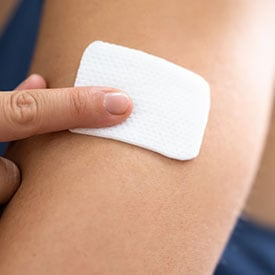
- A transdermal patch or gel
- Oral medication
Many endocrinologists begin with a low dose and gradually increase it over time to mimic the natural progression of puberty.
Your endocrinologist can help determine which option is best based on your child's age, preferences, and medical history.
Treatment for Girls—Estrogen and Progesterone
For girls, the most common treatment for hypogonadism is estrogen, which can be delivered either with estrogen patches or pills.
In early puberty, doctors tend to prescribe estrogen patches (transdermal estrogen). The patient can start with lower doses, and the amount of the hormone can be increased gradually. Transdermal estrogen and oral estrogen are processed differently by the body.
Eventually, girls will need both estrogen and progesterone (also normally made by the body) for overall health.
Addressing Common Concerns About Sex Hormone Therapy
Although sex hormone replacement therapy is considered the standard treatment for
hypogonadism, many families understandably have questions or concerns before starting treatment.
One of the most important things to remember is that hormone replacement therapy is not adding something unnatural to the body. It is replacing hormones that the ovaries or testes would normally produce if hypogonadism were not present.
When carefully prescribed and monitored by an endocrinologist, sex hormone replacement therapy is considered both safe and effective and plays an important role in supporting lifelong health.
Will Testosterone Cause Behavioral Problems?
Behavioral changes are one of the most common concerns parents have when considering testosterone therapy for boys with PWS.
Clinical experience suggests that these concerns can often be minimized by starting with a low dose and increasing gradually, allowing the body to adjust over time in a way that more closely resembles typical puberty.
According to pediatric endocrinologist Dr. Diane Stafford, a careful, slow approach to sex steroid therapy in boys results in few issues with behavioral change.
Families should continue to communicate with their endocrinologist throughout treatment so that any concerns can be addressed promptly.
What About Menstrual Periods?
Parents of girls with PWS often worry about how menstruation will affect daily life and whether periods will be difficult to manage.
These concerns are common and should be discussed openly with your endocrinologist.
Estrogen replacement therapy often leads to menstruation as puberty progresses. Fortunately, healthcare providers have several options for managing the timing and frequency of menstrual periods, allowing treatment plans to be individualized based on each girl's medical needs and family preferences.
The goal is to ensure girls receive the long-term health benefits of estrogen replacement while making menstruation as manageable as possible.

Building Strong Bones During Puberty
Adolescence is a critical time for building strong, healthy bones. During these years, the body develops most of the bone mass that will support lifelong skeletal health. While calcium and vitamin D are important, they are only part of the equation.
Healthy bone development depends on several factors working together, including growth hormone, estrogen or testosterone, good nutrition, regular weight-bearing exercise, and adequate calcium and vitamin D intake. Because many people with PWS have both growth hormone deficiency and hypogonadism, optimizing these treatments during adolescence is especially important.
Without enough sex hormones, individuals with PWS may never achieve optimal peak bone mass. As a result, they are at increased risk for osteopenia, osteoporosis, and fractures later in life. Early evaluation and appropriate hormone replacement therapy, combined with good nutrition and physical activity, can help build stronger bones and support lifelong health.
Hypogonadism Throughout Adulthood
Although puberty eventually ends, the need for healthy sex hormone levels does not.

Hypogonadism is a lifelong condition for many people with PWS, and the benefits of hormone replacement therapy extend well beyond adolescence.
In adults, adequate levels of testosterone or estrogen help maintain bone density, muscle mass, physical strength, energy, body composition, cardiovascular health, and overall quality of life. Continuing treatment when appropriate may also help reduce the risk of osteoporosis and preserve physical function as individuals age.
Because hormone needs can change over time, adults with PWS should continue regular follow-up with an endocrinologist experienced in the condition. Ongoing monitoring helps ensure that hormone replacement therapy remains safe, effective, and tailored to each individual's changing health needs.
Fertility and Sexual Health
Although fertility is significantly reduced in both males and females with PWS because of hypogonadism, pregnancies have been reported in women with PWS.
Families should discuss sexual health, relationships, and contraception with their healthcare team as part of age-appropriate care.
Frequently Asked Questions
Why is puberty delayed in people with Prader-Willi syndrome?
Most people with PWS have hypogonadism, meaning their bodies produce lower-than-normal levels of sex hormones such as testosterone or estrogen. This can cause puberty to begin later than expected, progress more slowly, or stop before completion.
My child has body odor and pubic hair. Does that mean puberty has started?
Not necessarily. The appearance of body odor and pubic hair (called pubarche) is caused by adrenal hormones and can occur independently of true puberty. True puberty begins when the ovaries or testes start producing estrogen or testosterone.
At what age should parents begin discussing puberty with their endocrinologist?
Because delayed or incomplete puberty is common in PWS, discussions should begin around the usual age of puberty—approximately age 10 for girls and age 12 for boys—even if no concerns have been identified.
Does every person with PWS need hormone replacement therapy?
Not everyone, but because hypogonadism is so common, adolescents and adults with PWS should be evaluated by an endocrinologist. Hormone replacement therapy is recommended when hormone deficiency is confirmed and there is no medical reason not to treat
Does growth hormone replace testosterone or estrogen?
No. Growth hormone and sex hormones have different roles in the body. Many people with PWS benefit from both treatments because they support different aspects of growth, body composition, bone health, and physical development.
Will testosterone therapy cause behavioral problems?
Behavioral changes are a common concern among families. Clinical experience suggests that when testosterone is started at a low dose and increased gradually under the supervision of an endocrinologist, significant behavioral changes are uncommon.
Are hormone replacement therapies safe?
Yes. Hormone replacement therapy replaces hormones that the body would normally produce and is considered a safe and effective treatment for hypogonadism when prescribed and monitored by an experienced healthcare provider.
Why is treating hypogonadism important if puberty is already over?
Sex hormones remain important throughout adulthood. They help maintain bone density, muscle strength, body composition, cardiovascular health, energy, and overall quality of life.
Can people with PWS have children?
Fertility is significantly reduced because of hypogonadism, but pregnancies have been reported in women with PWS. Families should discuss sexual health, relationships, and contraception with their healthcare team as part of age-appropriate care.
Key Takeaways
Hypogonadism is one of the most common endocrine features of Prader-Willi syndrome, and it affects far more than puberty. Without adequate sex hormone levels, individuals with PWS are at increased risk for osteoporosis, reduced muscle strength, poor body composition, and decreased quality of life.
Current expert recommendations support evaluating all adolescents and adults with PWS for hypogonadism and treating hormone deficiencies with sex hormone replacement therapy when appropriate. Early diagnosis and ongoing endocrine care can help individuals with PWS achieve healthier development and better long-term outcomes.
Participate in a PWS Clinical Trial
Clinical trial participants make new treatment options possible. Explore current studies, understand what participation involves, and find opportunities that may fit your family.
Heading 1
with a request body that specifies how to map the columns of your import file to the associated CRM properties in HubSpot.... In the request JSON, define the import file details, including mapping the spreadsheet's columns to HubSpot data. Your request JSON should include the following fields:... entry for each column.