
PWS Clinical Trials
Find actively enrolling clinical trials and other opportunities to participate in research moving PWS treatments forward.
Heading 1
with a request body that specifies how to map the columns of your import file to the associated CRM properties in HubSpot.... In the request JSON, define the import file details, including mapping the spreadsheet's columns to HubSpot data. Your request JSON should include the following fields:... entry for each column.
Heading 1
with a request body that specifies how to map the columns of your import file to the associated CRM properties in HubSpot.... In the request JSON, define the import file details, including mapping the spreadsheet's columns to HubSpot data. Your request JSON should include the following fields:... entry for each column.
Clinical Trials Pave The Way For PWS Treatments
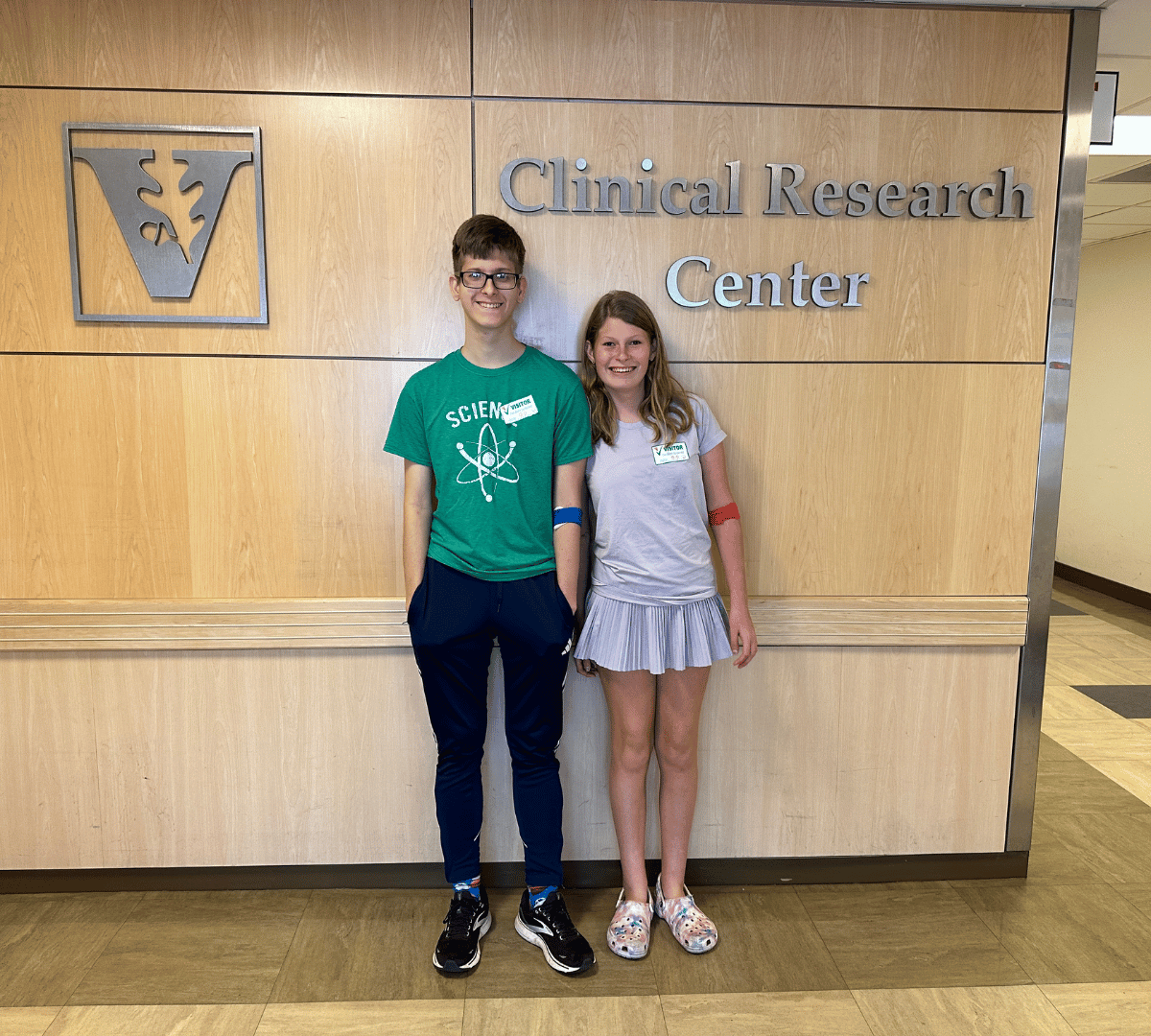
-4.png?width=300&height=270&name=Photos%20for%20Website%20(2)-4.png) Clinical trials are an essential part of finding safe and effective treatments for people with Prader-Willi syndrome (PWS).
Clinical trials are an essential part of finding safe and effective treatments for people with Prader-Willi syndrome (PWS).
By participating in a clinical trial, families and individuals with PWS help move us closer to a future where the symptoms of PWS can be better managed — and ultimately, where new treatment options become available to all who need them.
Sign Up for PWS Clinical Trial Alerts
What Are Clinical Trials?
Clinical trials are carefully designed research studies. They are a critical step in determining whether a treatment works and is safe for people. Each study follows strict guidelines and is reviewed by ethics committees (IRBs) to protect participants. Participation is always voluntary.
In recent years, families in our community have played a key role in advancing promising treatments — such as VYKAT XR— through clinical trial participation. Every trial, even those that don’t lead to approval, helps us learn and get closer to better treatments.
Why Participate in a PWS Clinical Trial?
Participating in a trial is a personal decision. Here are some reasons families choose to take part:
-
Hope for new treatments: Clinical trials provide access to potential new medications or therapies not yet available to the public.
-
Extra medical care: Trial participants often receive closer monitoring and care from expert medical teams.
-
Helping others: Every family that participates helps generate data that benefits the entire PWS community.
-
Support for travel: Many trials provide reimbursement for travel and lodging expenses for the participant and caregiver.
Things to Consider When Participating in a Clinical Trial
-1.png?width=375&height=338&name=Photos%20for%20Website%20(1)-1.png) Clinical trials may involve risks and require time and travel. It's important to understand:
Clinical trials may involve risks and require time and travel. It's important to understand:
- You can leave a trial at any time, for any reason.
- You may receive a placebo (inactive treatment) depending on the study design.
- There may be side effects, as with any medication or treatment.
- Most studies require a commitment to attend visits and complete assessments.
Before participating, the study team will review all details with you and answer your questions. We encourage all families to talk with their doctor and loved ones before making a decision.
Active PWS Clinical Trials
Hyperphagia and Weight Loss Studies
CSTI-500 phase 2 ages 13 - 50 years View details Hide details
How it Works
Minimum Eligibility
- People with PWS
- Ages 13 - 50
The study team will review the full eligibility criteria with interested families during the screening process.
Participation
Sponsor
Conysnance Therapeutics
For questions about participation or study eligibility, please contact:
Elizabeth Roof
elizabeth.roof@vanderbilt.edu
615-343-3330
Tirzepetide post-approval ages 18 - 26 years View details Hide details
About The Study
Minimum Eligibility
This study is enrolling 12 individuals:
- 18-26 years old
- BMI >/= 30
Participation
This is a 48-week trial that includes 6 in-person study visits, 4 telehealth visits, and an additional visit 8 weeks after stopping the medication. Study participants will be given medication for 1 year to assess how the medication affects weight and other health factors.
Participants will receive a $50 gift card per visit, as well as Tirzepatide for 1 year.
Contact
Vanderbilt University Medical Center
Principal Investigator: Ashley Shoemaker, MD
Contact: Martha Upchurch
Phone: 615-875-4274
Email: martha.upchurch@vumc.org
Children's Hospitals and Clinics of Minnesota
Principal Investigator: Jennifer Abuzzahab, MD
Phone: 651-220-5730
Email: endocrineresearch@childrensmn.org
Seattle Children's Hospital
Principal Investigator: Grace Kim, MD
Phone: 206-987-2540
Email: EndocrineResearch@seattlechildrens.org
Excessive Daytime Sleepiness
Pitolilsant phase 3 ages 6 - 65 years View details Hide details
About The Study
Minimum Eligibility
- Are 6 years or older
- Have a confirmed PWS diagnosis
- Live in the United States
- Experience excessive daytime sleepiness
- Have a consistent caregiver throughout the study
Participation
The study will consist of an up to 45-day Screening/Baseline Period, a Double-Blind Treatment Period, and an optional Open-Label Extension Period.
A fully remote option is available.
Sponsor
Harmony Biosciences
Email: HarmonyPWS@science37.com
Phone: 310-929-8473
Find A Trial Near You
Click on the pins for information about trials that are currently recruiting.
Frequently Asked Questions
What are the different phases of clinical trials?
Clinical trials are generally conducted in phases, with each phase designed to answer different questions about a potential treatment. As a treatment moves through development, studies typically become larger and provide more information about how well the treatment works, its safety, and how it should be used.
Phase 1: Is the treatment safe?
Phase 1 is the first time a new treatment is tested in people. These studies are usually small and focus primarily on safety. Phase 1 trials may include healthy volunteers or people with PWS.
Phase 2: Does the treatment appear to work?
Phase 2 trials are generally conducted in people who have the condition the treatment is intended to treat. Researchers continue to evaluate safety while looking for early evidence that the treatment is effective. These studies may also help determine the appropriate dose and identify common short-term side effects.
Phase 3: Does the treatment work, and are its benefits greater than its risks?
Phase 3 trials are larger and, in PWS, typically involve 100-200 participants. They are designed to confirm the treatment's effectiveness, gather more information about its safety, and better understand its benefits and risks across a broader group of people. Results from Phase 3 studies are an important part of the evidence considered when seeking FDA approval.
Phase 4: What can we learn after approval?
Phase 4 studies take place after a treatment has been approved and is available for use. They can provide additional information about the treatment's long-term safety and effectiveness, how it works in broader populations, and potential new uses or risks.
It's important to remember that clinical trial phases can vary depending on the treatment and the condition being studied, and some trials may combine or overlap phases. The goal throughout the process is to gather enough evidence to understand whether a treatment is safe and effective and whether its benefits outweigh its risks.
Who oversees the safety of clinical trials?
Clinical trials have multiple layers of oversight designed to protect the people who participate. Different organizations and individuals have different responsibilities throughout the study.
Institutional Review Board (IRB): Before a clinical trial begins, an independent IRB reviews the study plan to make sure the potential risks are reasonable, participants are adequately informed, and appropriate protections are in place. The IRB also conducts ongoing review while the study is underway.
Study investigators and sponsors: The doctors and research teams conducting a trial are responsible for following the approved study protocol, monitoring participants, and reporting safety concerns. The company or organization sponsoring the trial also has responsibility for monitoring the study and evaluating safety information.
Data and Safety Monitoring Boards (DSMBs): Some clinical trials have an independent group of experts that regularly reviews accumulating safety and other study data. A DSMB may recommend that a trial continue, be modified, or be stopped if there are significant safety concerns.
U.S. Food and Drug Administration (FDA): For trials involving FDA-regulated drugs, biologics, and medical devices, the FDA provides regulatory oversight to help ensure trials are appropriately designed and conducted and that participants are protected. The FDA can inspect clinical trial sites, review safety information, and take action when necessary.
Together, these layers of oversight help ensure that clinical trials are conducted ethically and that participant safety remains a priority throughout the study.
Can my loved one participate in more than one clinical trial?
Usually, no. For drug trials, participants generally cannot enroll in more than one clinical trial at the same time. This is because participating in multiple trials makes it difficult for researchers to determine which treatment is responsible for a particular effect or side effect.
There may also be a waiting period, called a washout period, between clinical trials. The length of this period varies depending on the treatment and the requirements of the new study.
If your loved one has recently participated in a clinical trial, be sure to tell the research team when you contact them. The study team will determine whether they are eligible to participate based on the trial's specific requirements.
What if I don't live near a study site?
Many clinical trials cover travel-related expenses for participants who need to travel to a study site, which may include transportation, lodging, and meals. Some trials may also cover expenses for a caregiver or support person.
The details vary by study, so ask the clinical trial team what travel assistance is available before enrolling. Some trials may also offer remote or virtual visits, reducing the need to travel.
If a trial is a good fit for your loved one but the study site is far from home, don't let distance stop you from reaching out to the research team. They can explain what travel support is available and how often you would need to visit the study site.
Can we leave a clinical trial after enrolling?
Yes. Participation in a clinical trial is voluntary, and you can choose to leave the trial at any time. You do not have to give a reason for leaving, and choosing not to continue should not affect your loved one’s regular medical care.
If you are considering leaving a trial, talk with the research team first if possible. They can explain what to expect and whether there are any follow-up visits or safety assessments that are recommended after stopping participation.
Are travel expenses covered?
Often, yes. Many clinical trials provide reimbursement for reasonable travel-related expenses, such as transportation, lodging, and meals when participants need to travel to a study site. Some trials may also cover expenses for a parent, caregiver, or other support person.
Travel assistance varies by study, so be sure to ask the clinical trial team what expenses are covered before enrolling. They can also explain how reimbursement works and whether there are any limits or requirements.