
Prader-Willi Syndrome Diagnosis
Learn how Prader-Willi syndrome is diagnosed, which genetic tests are used to confirm a diagnosis, and what families need to know after receiving a diagnosis.
Heading 1
with a request body that specifies how to map the columns of your import file to the associated CRM properties in HubSpot.... In the request JSON, define the import file details, including mapping the spreadsheet's columns to HubSpot data. Your request JSON should include the following fields:... entry for each column.
How is Prader-Willi syndrome diagnosed?
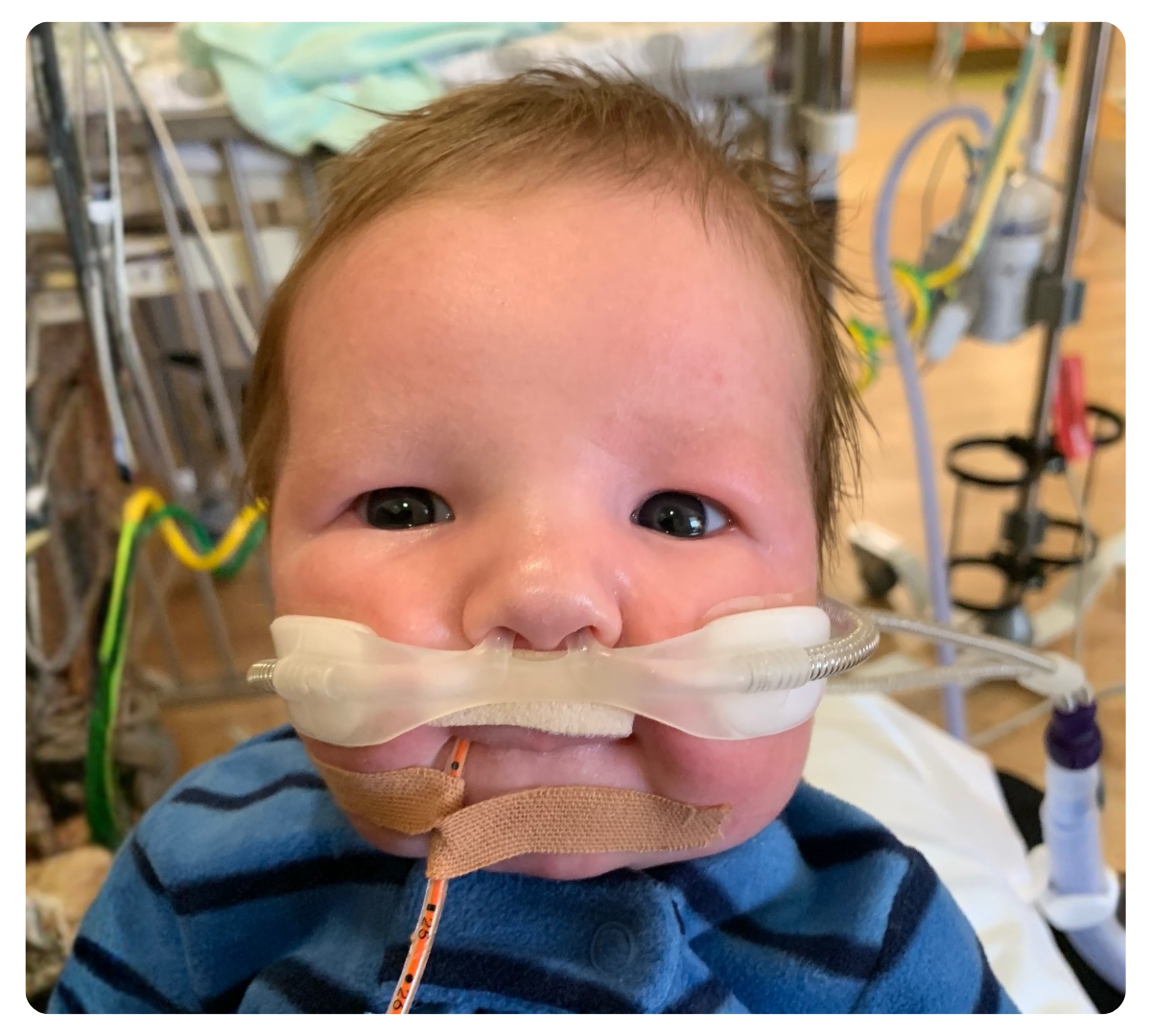
Prader-Willi syndrome may first be suspected based on clinical signs. In newborns and infants, hypotonia (low muscle tone or “floppiness”) and difficulty feeding are important signs that should prompt testing for PWS.
PWS is confirmed through genetic testing, usually using a blood sample. Current first-tier testing typically includes DNA methylation analysis and a SNP microarray. Methylation analysis can detect more than 99% of PWS cases, while the SNP microarray can help determine the genetic subtype, including a deletion, maternal uniparental disomy (UPD), or an imprinting defect.
FISH (fluorescence in situ hybridization) testing can identify some PWS deletions but cannot detect all genetic subtypes. Today, methylation analysis and SNP microarray are preferred for diagnosis and subtype testing.
Identifying the genetic subtype is important because it can provide additional information about PWS and help families understand the chance of PWS occurring again in a future pregnancy. For most families, the recurrence risk is very low, although some rare genetic causes can carry a higher risk.
If PWS is strongly suspected but initial testing is negative or unclear, a medical geneticist can recommend additional testing or evaluate for other conditions with similar features.
Signs that may lead to testing
Not every child with PWS will have all of these signs.
During infancy
- Low muscle tone (hypotonia)
- Difficulty feeding
- Weak cry
- Low alertness or excessive sleepiness
- Difficulty gaining weight
- Underdeveloped genitals
- Delayed development
- Lighter skin, hair, or eyes than other family members
During childhood
- Increasing interest in food or excessive hunger (hyperphagia)
- Rapid or excessive weight gain
- Short stature
- Developmental delays
- Learning differences
- Behavioral or emotional challenges
- Low muscle tone or reduced strength

Because these signs can overlap with other conditions, genetic testing is needed to confirm a diagnosis of PWS.
Want to understand what causes PWS? Learn more about the genetics of PWS
Why is early diagnosis important?
Early diagnosis allows children to receive specialized care during the critical early years of development. Benefits include:
- Earlier initiation of growth hormone therapy
- Physical, occupational, and speech therapy
- Nutritional guidance
- Early intervention services
- Family education and support
- Earlier monitoring for endocrine, orthopedic, and sleep concerns
Research consistently shows that early intervention can improve developmental outcomes and overall health.

Recently Diagnosed with Prader-Willi Syndrome?
First Steps: A Parent's Guide to Prader-Willi Syndrome is a practical resource to help you navigate the early days with confidence.
Heading 1
with a request body that specifies how to map the columns of your import file to the associated CRM properties in HubSpot.... In the request JSON, define the import file details, including mapping the spreadsheet's columns to HubSpot data. Your request JSON should include the following fields:... entry for each column.
Frequently Asked Questions
What genetic test confirms Prader-Willi syndrome?
DNA methylation analysis is a key test used to diagnose Prader-Willi syndrome and can identify more than 99% of cases.
At what age is Prader-Willi syndrome usually diagnosed?
Prader-Willi syndrome is often diagnosed in infancy, when low muscle tone (hypotonia), feeding difficulties, and difficulty gaining weight prompt genetic testing. Some people are diagnosed later in childhood, adolescence, or adulthood, particularly when early signs are mild or go unrecognized.
Can Prader-Willi syndrome be diagnosed before birth?
Yes. In some cases, prenatal testing can identify the genetic changes associated with Prader-Willi syndrome. However, most individuals are diagnosed after birth.
Is Prader-Willi syndrome inherited?
Most cases of Prader-Willi syndrome are not inherited. They happen because of a genetic change that occurs by chance. Rarely, PWS is caused by an inherited imprinting defect, which can increase the chance of recurrence in a family. A genetic counselor can help explain the specific risk for future pregnancies.
What causes Prader-Willi syndrome?
Prader-Willi syndrome is caused by the loss of expression of specific genes on chromosome 15 that are normally active on the chromosome 15 inherited from the father. This can occur because of a deletion of the paternal chromosome 15 region, maternal uniparental disomy (UPD), or an imprinting defect. Although these genetic changes differ, they all result in the same underlying problem: certain genes needed for normal growth, metabolism, appetite regulation, and development are not active.
What are the symptoms of Prader-Willi syndrome?
Symptoms of Prader-Willi syndrome vary by age. Infants commonly have low muscle tone (hypotonia), feeding difficulties, poor growth, and developmental delays. During early childhood, excessive hunger (hyperphagia), rapid weight gain, short stature, hormone deficiencies, learning differences, and behavioral challenges often become more apparent.
Is there a cure for Prader-Willi syndrome?
Not yet. There is currently no cure for Prader-Willi syndrome. Current treatments focus on managing symptoms and improving health while researchers develop disease-modifying therapies, including genetic therapies that aim to address the underlying cause of the disorder.