
This article includes personal experiences shared by Lisa Matesevac and clinical guidance from Dr. Harold van Bosse, MD
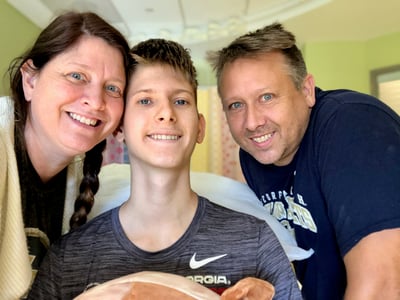 Preparing for spinal fusion surgery in Prader-Willi syndrome (PWS) can feel overwhelming. Families are often navigating not only a major surgery, but also the unique medical, behavioral, and recovery considerations that come with PWS.
When Lisa Matesevac’s son Evan underwent spinal fusion surgery to treat scoliosis, she began documenting everything she learned along the way—from questions to ask the surgical team to strategies that helped during recovery.
She also reached out to pediatric orthopedic surgeon Dr. Harold van Bosse, who provided clinical insights and recommendations based on his experience treating individuals with PWS.
Together, this article combines the perspective of a parent who has been through the process with practical medical guidance to help families prepare for scoliosis surgery, hospitalization, and recovery at home.
Preparing for Spinal Fusion Surgery: Questions to Ask
One of the most important things Lisa did in preparation for Evan's surgery was to come prepared for their surgical consult. She asked detailed questions about everything from the procedure itself to recovery expectations. Here are some of the questions that were asked, and what was learned along the way.
-
How long will the surgery take?
Procedures commonly last between 3 and 4 hours, but can sometimes take 6 hours or more. -
How long should we expect to stay at the hospital after the procedure?
The length of stay can vary from a few days to a week. Hospital stays for people with PWS are typically about 50% longer than those of other patients. This is primarily due to an extended post-operative ileus—it takes longer for the GI tract to begin working normally again after surgery, requiring a slower reintroduction of food. Dr. van Bosse strongly recommends discussing this with your surgeon in advance. -
What determines when we can go home?
Before discharge, patients generally need to:
-
- Walk and climb stairs safely
- Return to normal digestive function
- Demonstrate stable vital signs, including normal temperature and heart rate.
-
What activity restrictions will be in place post-op?
There should be no bending forward or lifting/carrying anything heavier than a heavy book for at least 6-12 weeks. Your surgeon will provide guidance depending on your individual surgical outcome.
During recovery, posture is especially important. Patients should sit in supportive chairs that prevent slouching, which can place stress on the lower screws of the spinal construct. Dr. van Bosse often recommends dining-room style chairs and avoiding soft sofas during early recovery.
Most restrictions are lifted after about 6 weeks, though higher-impact activities—including soccer and hippotherapy/therapeutic horseback riding—may need to wait several months.
-
Will antibiotics be needed post-surgery, prior to dental cleanings?
It is advised to wait 6 weeks post op before seeing a dentist and to take antibiotics for 2 years prior to any dental cleanings. The orthopedist or dentist will provide the prescription. -
What pain control measures will be taken? How can we minimize the use of opioids?
People with PWS are more sensitive to the constipation effects of opioids. Dr. van Bosse suggests that doctors may wish to consider Methyltrexone as it blocks opioid effects on the GI tract, and therefore lessens opioid induced constipation in his patients with PWS. People with PWS tend to have a higher pain tolerance and tend to need less narcotics than the average patient.
Families may also wish to discuss:
- Whether any medications should be paused during surgery or hospitalization
- How will food be safely reintroduced after surgery
- Plans to prevent skin picking at the incision site
- Whether parents can stay with their child around the clock
- Whether additional supervision or a 1:1 aide may be available
- Whether pre-operative pulmonary evaluations or sleep studies are needed
Prepare Yourself and Your Team
Dr. van Bosse has prepared a Primer on Scoliosis Surgery for Prader-Willi Syndrome that you can download and discuss with your surgeon.
This paper includes important details on special considerations for individuals with PWS undergoing scoliosis surgery, including respiratory and gastrointestinal concerns, anesthesia and pain management, skin picking and wound healing, bone density, surgical alignment, and post-operative recovery planning.
Getting a Head Start on Constipation
People with Prader-Willi syndrome often struggle with delayed gastric emptying and chronic constipation. That baseline can make post-operative recovery more complicated—especially because anesthesia and pain medications further slow the GI system. A pre-operative bowel cleanse helps reduce fecal material that could cause post-op constipation.
In the weeks leading up to Evan’s surgery, Lisa focused heavily on GI preparation. Strategies that helped included:
- Starting a bowel regimen, such as Miralax, 1–2 weeks prior to surgery
- Adding additional support, such as milk of magnesia, a few days beforehand
- Increasing fluid intake
- Transitioning to softer, easier-to-digest foods
- Limiting foods that are harder to process, including raw vegetables
The First Days After Surgery
Hospital recovery post-surgery is intense, and the first few days require close monitoring.
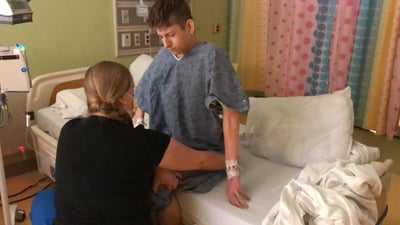 GI management is especially important after surgery. Food is usually reintroduced very gradually—starting with small amounts of clear liquids and progressing slowly to soft foods only after the body shows signs it is ready.
Families should also closely monitor:
- Abdominal distention
- Pain control
- Mobility milestones like sitting up, walking, and climbing stairs
Lisa recalls that setting alarms overnight helped her family stay on top of medications and pain management during the early recovery period.
How long a child stays hospitalized can vary depending on recovery progress. It will help to set expectations with the surgical team in advance. They likely won’t know about PWS, so explain that hospital stays are usually 50% longer than in general. “We were initially encouraged to discharge early,” Lisa said, “but ultimately stayed longer after advocating for Evan’s needs—and I’m glad we did.”
Dr. van Bosse also cautions that, although rare, delayed spinal cord complications can occur after surgery. If a child appears to be getting weaker after surgery, families should notify the surgical team immediately.
Preventing Skin Picking After Surgery
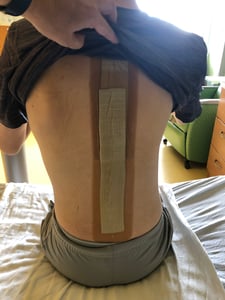 Wound breakdown and infections are one of the most serious early complications of scoliosis surgery in people with PWS. Skin picking can directly impact healing and increase the risk of infection. Be prepared with a plan to protect the incision as much as possible. Some strategies that help:
-
Use a wound VAC post-op – this is a vacuum-sealed dressing that not only helps keep the wound dry from seepage, but it also alerts if scratching breaks the seal.
-
Use a protective surgical dressing (like Aquacel) to create a barrier and reduce access to the incision
-
Consider a brace (TLSO) to physically limit access to the surgical site and protect the wound. This is highly recommended, especially for individuals at higher risk of skin picking. (These are not the corrective braces worn before surgery, so they are much better tolerated.)
-
Monitor closely for any signs of picking or irritation, especially as itching starts during healing
-
Have a backup plan (like additional dressings or wound care options) if the incision becomes compromised
Dr. van Bosse strongly recommends prevention whenever possible. Once an incision is disrupted, wound complications can escalate quickly and, in severe cases, infections may require removal of the surgical hardware.
He notes that bathing is often the most vulnerable time for skin picking. Even brief moments without supervision can result in significant disruption of the incision site. Families should monitor closely, take all picking behaviors seriously, and contact their care team immediately if they notice signs of infection or wound breakdown.
Recovery at Home: What Helped Most
Once families return home, comfort and consistency often become the focus. Small environmental adjustments can make recovery easier and more comfortable during the first several weeks after surgery.
Lisa found several strategies especially helpful during Evan’s recovery:
- Supportive positioning with pillows and comfortable seating
- Bendy straws and button-up shirts to minimize unnecessary movement
- Staying ahead of medication schedules
- Encouraging regular position changes throughout the day
“One thing that surprised me was how difficult the car ride home was,” Lisa recalls. “Every bump and movement seemed to cause discomfort.” She recommends planning the trip carefully, allowing extra time, and bringing pillows to help stabilize and support your child during the ride home.
Final Thoughts
Spinal fusion is a major surgery, and there’s no way to eliminate all the uncertainty. But preparation helps. Asking questions, planning ahead, and learning from others can make the experience more manageable—for both you and your child.
If you’re heading into this, know that you’re not alone. There’s a community of parents who have walked this road and are willing to share what they’ve learned.
And remember—you know your child best. Don’t be afraid to speak up, ask questions, and advocate every step of the way.
