


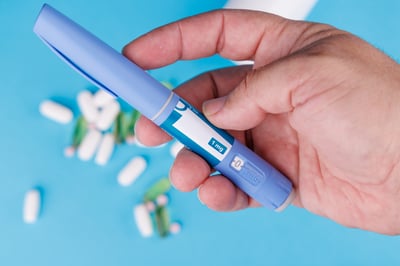
 You have probably heard of GLP-1 receptor agonists (GLP-1s). You may even know someone who has successfully lost weight using one of these popular medications. But what about their safety and effectiveness for people with Prader-Willi syndrome (PWS)?
GLP-1s are currently prescribed in the general population to manage type 2 diabetes and obesity by helping regulate appetite and blood sugar levels. However, they are not FDA approved to treat hyperphagia, and most of the newer GLP-1s (Ozempic/semaglutide, Mounjaro/tirzepatide, and others) have not been studied in individuals with PWS.
Hyperphagia and related metabolic complications are major challenges in PWS. If not carefully managed, they can lead to obesity and serious health problems. This raises an important question: can GLP-1s safely help reduce obesity and regulate blood sugar in people with PWS?
The Knowledge Gap: Why We Need to Know More About GLP-1s
Right now, there is a significant lack of high-quality evidence on the safety and efficacy of GLP-1 receptor agonists in people with PWS.
Clinical trials of exenatide and liraglutide in PWS showed only modest improvements in hyperphagia and no significant impact on body weight. To date, no clinical trial data exists for semaglutide use in PWS.
Despite these gaps, GLP-1s are being prescribed more often to people with PWS. This is concerning because PWS is associated with a high rate of gastrointestinal issues, including chronic constipation, intestinal blockage, and delayed gastric emptying, along with an increased pain threshold. Together, these factors may increase the risk of serious side effects related to GLP-1 use.
Families and clinicians need better information so they can make decisions based on data, not guesswork.
Next Steps in Research: Recommendations From PWS Experts
A recent collaborative workshop hosted by the Foundation for Prader-Willi Research (FPWR) and the International Prader-Willi Syndrome Organisation (IPWSO), and led by Drs. Diane Stafford and Nick Finer, highlighted critical next steps for understanding GLP-1 use in PWS.
The recommendations from the workshop were just published in the medical literature: Recommendations for real-world evidence of efficacy and safety of GLP-1 agonists in Prader-Willi syndrome: Report of a workshop held by the Foundation for Prader-Willi Research and International Prader Willi Syndrome Organisation
The experts agreed on the urgent need to collect detailed real-world data from individuals with PWS who are prescribed GLP-1s. They outlined a minimum dataset that should be collected:
-
Before treatment begins
-
At the end of dose titration
-
Every three months for at least one year
Analyzing this information over time will help build a clearer picture of how GLP-1s affect people with PWS, including both potential benefits and side effects. The goal is to support patients and clinicians in making informed treatment decisions based on a careful risk-benefit profile.
Moving Forward Together
The Foundation for Prader-Willi Research is supporting the PWS Clinical Investigation Collaborative (PWS-CLIC) to develop a dedicated GLP-1 data module within the PWS-CLIC database to meet this need.
By following these recommendations, the PWS community can establish a strong foundation of knowledge to ensure GLP-1 agonists—and potentially other emerging therapies—are used safely and effectively to improve lives.
FPWR and IPWSO remain deeply committed to this work, driven by the dedication of families, clinicians, and researchers. Together, we will continue to advance understanding and improve care for people with PWS.