Social Skills in Prader-Willi Syndrome

Challenges and Practical Strategies

Individuals with Prader-Willi syndrome (PWS) often face unique social challenges that can affect friendships, communication, and emotional well-being.

Many people with PWS genuinely enjoy being around others and are highly motivated to connect with family members, friends, and peers; however, they face several challenges that can make social interaction difficult.

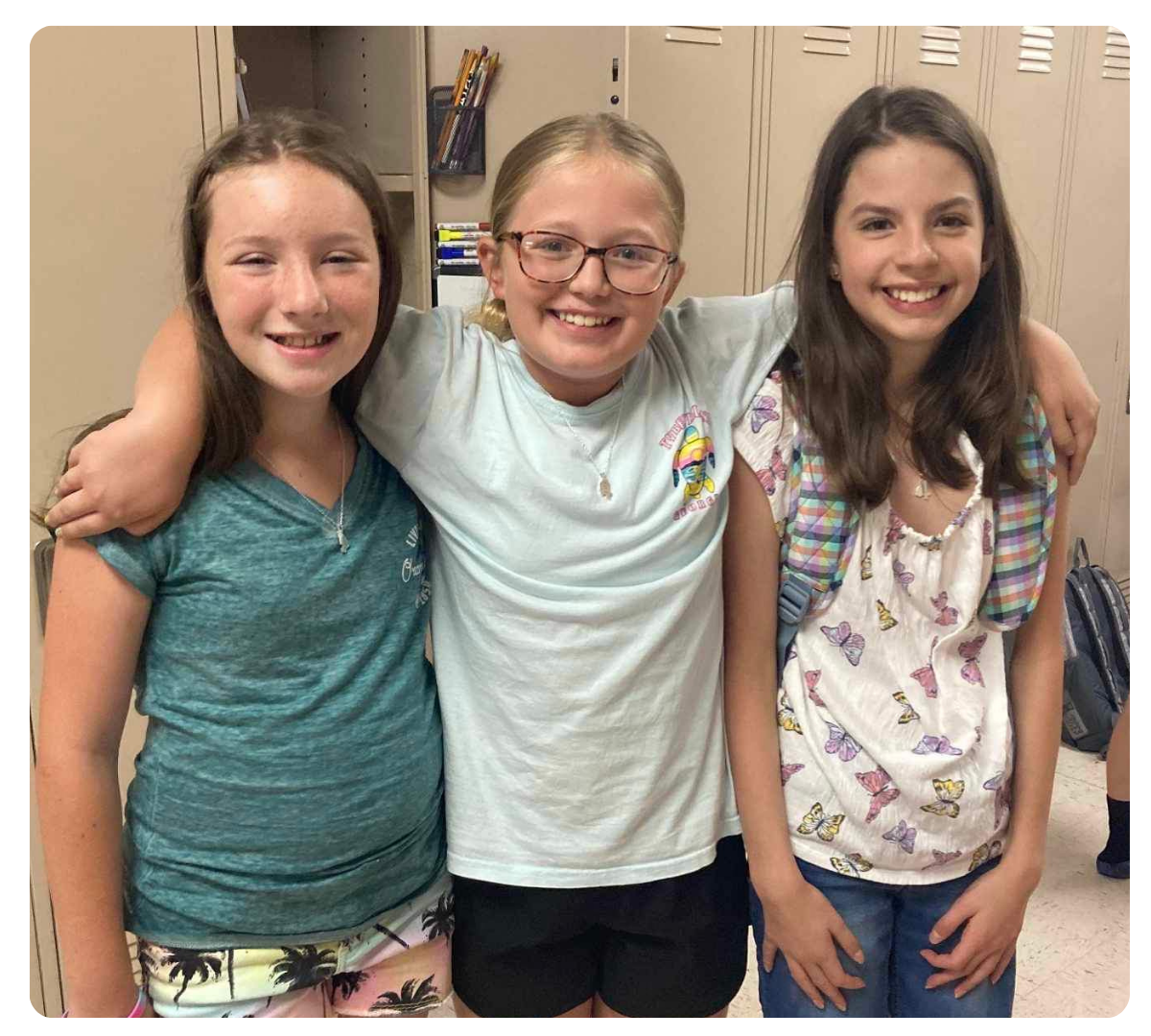
Boy and Girl smiling for camera

Social challenges are not caused by a lack of interest in relationships, but rather by differences in how social information is processed and understood.


Individuals with PWS often have difficulty:

  • Understanding social cues
  • Recognizing emotions in others
  • Reciprocal (back-and-forth) conversations
  • Understanding another person’s point of view
  • Emotional regulation
  • Cognitive flexibility
  • Maintaining appropriate personal space

Research has shown differences in how people with PWS recognize emotions, interpret social cues, and process social information. Fortunately, targeted strategies and social skills programs can help children, teens, and adults build stronger social connections throughout their lives.

How Does Prader-Willi Syndrome Affect Social Development?


There are many challenges that the person with PWS must contend with that make developing good social skills difficult. These include:

Hyperphagia- Preoccupation with food may deplete cognitive and social resources that children with PWS need to engage well in social interactions. If they’re hungry or thinking about food, they may not be as focused on playing or trying to understand what their friend is doing or feeling.

Cognitive Differences - Many individuals with PWS struggle with flexible thinking, problem-solving, and interpreting social situations. 

Emotional Regulation Challenges - Difficulty managing frustration and disappointment can interfere with friendships and participation in social activities.

Speech and Motor Planning Difficulties - Speech apraxia, dyspraxia, and communication delays can make conversations and participating in social activities more challenging

PWS and Autism Spectrum Disorder

Social skills challenges in PWS can overlap with those observed in autism spectrum disorder (ASD) but are not exactly the same. One key difference is in ‘social motivation’. People with PWS often desire and very much enjoy social interactions and friendship but have challenges navigating these relationships due to difficulties with specific social skills such as repetitive conversation topics, behavioral and cognitive rigidity and emotional regulation.

Role of PWS Genetic Subtype

People with the maternal uniparental disomy (UPD) or imprinting defect (ID) genetic subtypes are more likely to have greater challenges with social skills and to be diagnosed with ASD compared to those with deletion, but research has shown that all genetic subtypes of PWS (deletion, UPD, and ID) show social challenges and can benefit from support in developing their social skills.

Common Social Skills Challenges in Children with PWS

Unlike typically developing children, many individuals with PWS do not naturally learn social skills simply by observing others. As a result, social skills often need to be taught intentionally and practiced repeatedly.
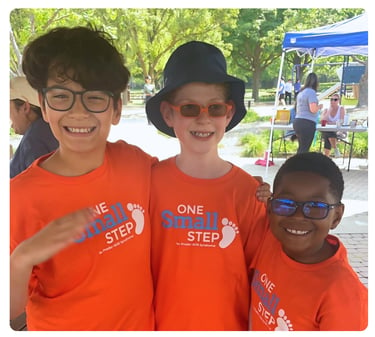
Friends at a one small step walk

Preschool and school-age children with PWS may be particularly affected by speech challenges and motor planning difficulties. Early intervention for speech and physical therapy can be very helpful for social skills development.

Social skills difficulties in PWS can present physically, verbally, or cognitively. The following are some specific ways in which these social challenges may show up in your loved one with PWS. You may also see many of these same challenges continue through the teen and adult years.

Common Social Challenges:

 
  • Looking at the mouth instead of the eyes

  • Standing too close to others

  • Talking extensively about favorite interests

  • Difficulty recognizing emotions

  • Trouble understanding another person's perspective

  • Limited awareness of how words affect others

  • Apraxia or dyspraxia - challenges with speech planning
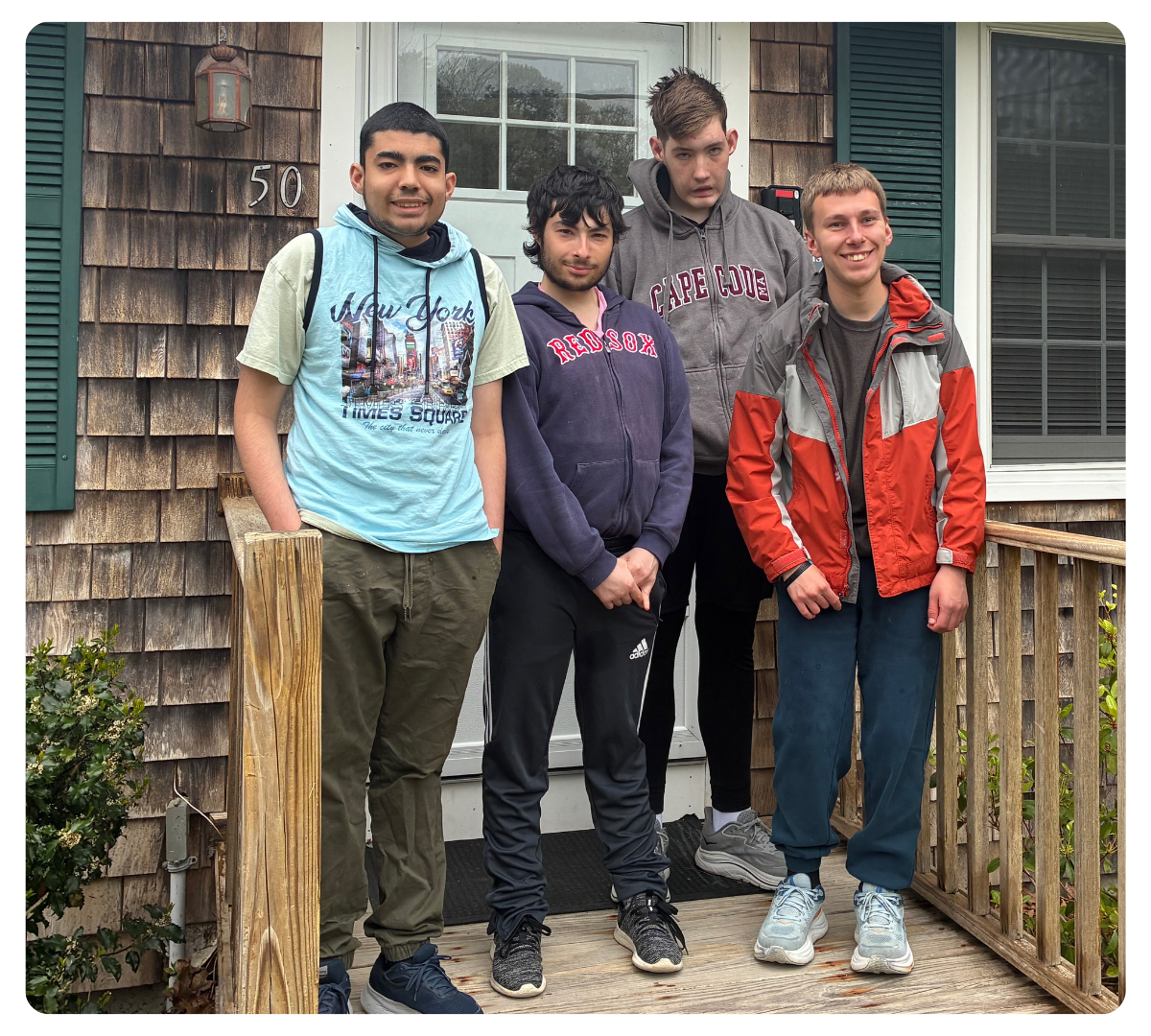
Four young men standing together outdoors in front of a house.
People with PWS may have difficulty considering others’ feelings, often because they have difficulty putting themselves in someone else’s shoes.

8 Strategies to Improve Social Skills in Children with PWS

When looking to improve the social interactions of preschool and school-age children with PWS, here are 8 ideas to try:

1. Start Early intervention

Speech therapy and physical therapy can be especially useful. As your child gets older, speech therapy in a group setting can provide more real-time practice and facilitation by the group leader. You can also suggest including typically developing peers in the group. You want your child to have lots of opportunities to practice and generalize social skills in real time with a friend, beyond just working with the therapist.

2. Engage in Pretend Play Young girl wearing glasses and a red jacket, smiling while holding a doll outdoors.
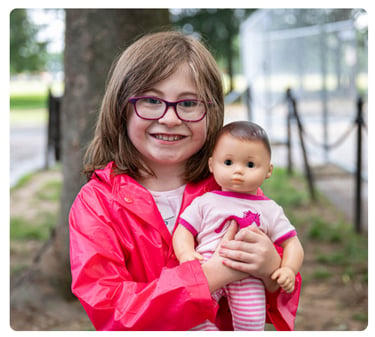
Research shows that pretend play skills are associated with positive outcomes in areas where people with PWS struggle, such as social awareness, emotion regulation, and cognitive flexibility.

Pretend play is a key component of social development. It helps children learn to take in others' perspectives, transfer knowledge from one situation to another, and balance their own ideas with those of others. These skills lay a foundation for higher-order cognition and thinking skills.

Research published in 2021 by Dimitropoulos, et al., showed that a six-week remote “pretend play skills” intervention can improve social and cognitive skills in school-age children with PWS. These skills were especially improved when other “players” were included in the play situation.

3. Create Opportunities for Peer Interaction

Include the child with PWS in social situations where play and interaction can be facilitated by others, either in formal social skills groups, speech therapy groups, or friendship clubs. Encourage interaction and connection with peers who also have challenges or disabilities and with those who are developing typically.

4. Include Others in Play

Children with PWS learn best when social interactions are actively modeled and supported. Siblings, adults, and other kids (either older or younger) can be good playmates. Research has shown that including others improves play behaviors in those with PWS. People with PWS do better with concrete rules and supports in social settings, so it is helpful to include this aspect.
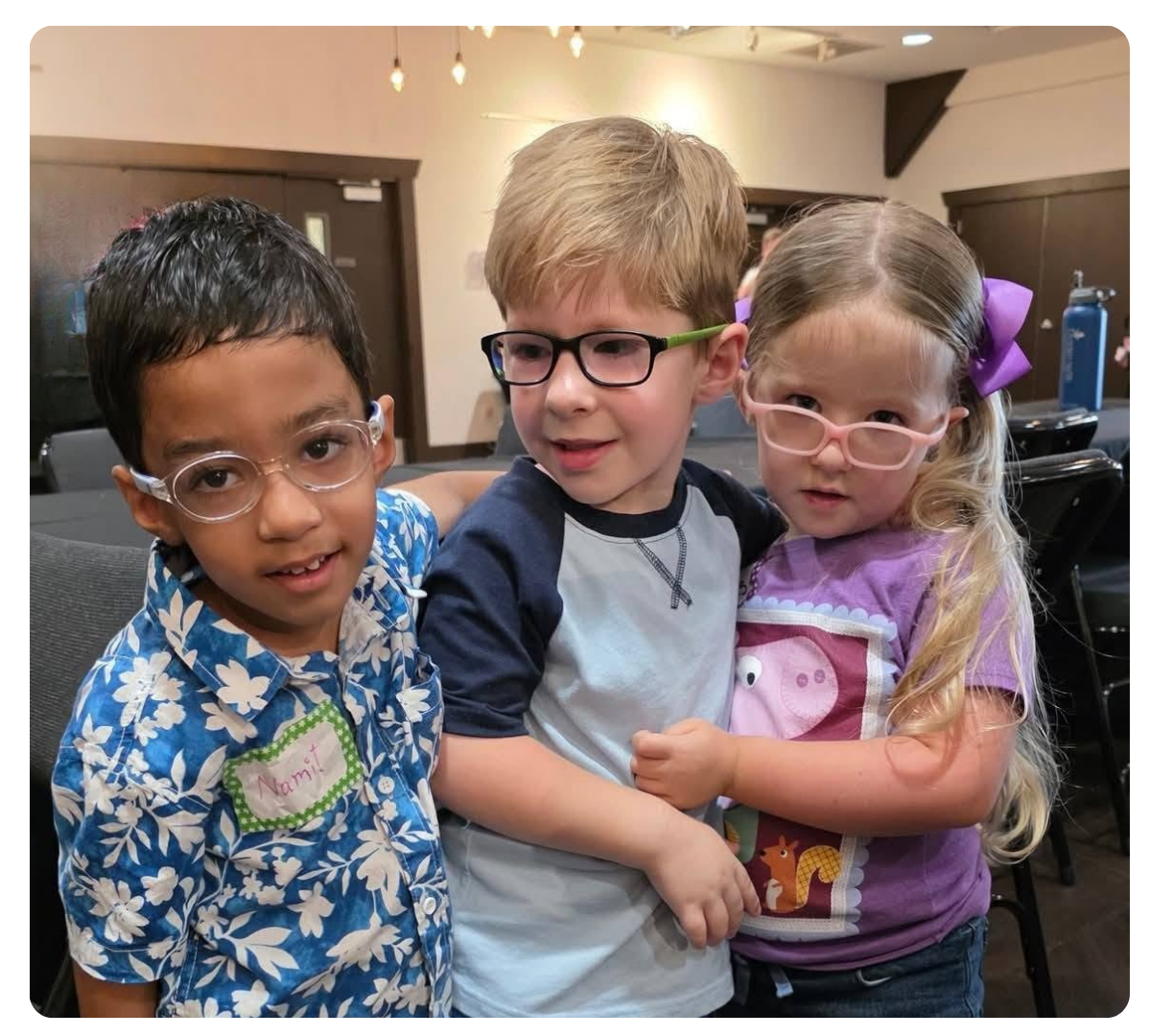
Three children wearing glasses standing close together and smiling at an indoor event.
Create structured social opportunities where others can support play and interaction, such as organized social skills groups.

5. Teach Emotion Recognition

Find ways to help your child better recognize emotions in others. Practice this at home using social stories (there are many resources online to help). You can also create a game at home with family members (“guess what I am feeling?”). For other ideas that could help people with PWS (even those without ASD) to recognize and understand emotions in others, get creative, and make use of online resources such as Positive Action's  20 Evidence‑Based Social Skills Activities and Games for Kids and this Stages Learning blog about autism.

6. Practice Repeatedly

Repetition is key and helps those with PWS to learn, so—practice, practice, practice.

7. Consider an Autism Evaluation When Appropriate

Children with the UPD or imprinting defect genetic subtype of PWS are at particular risk for developing autism spectrum disorder; thus, it can be useful to obtain an assessment for this as part of early intervention services. If they meet the criteria for this diagnosis, it can open doors to additional services and therapies that can assist with their social and cognitive development. In addition, children with UPD/ID might particularly benefit from social skills programs developed for those with ASD, even if they don't have a formal diagnosis of ASD.

8. Explore Behavioral Interventions

Applied behavior analysis (ABA) therapy may be helpful for addressing social skills challenges in PWS, especially if there is a co‑diagnosis of ASD, but even without this co-diagnosis there can be a benefit in PWS.

ABA therapy can be helpful for building and practicing social skills and for teaching emotional regulation skills. Also, some young children with PWS have extreme behaviors (e.g., tantrums) that can interfere with developing social skills and making social connections. ABA or other therapies focused on managing these extreme behaviors may help reduce these behaviors and therefore give your child more opportunities to make friends and practice social skills. Learn about ABA for PWS in this video:


Common Social Skill Challenges in Teens and Adults with PWS

Why do Teens and Adults with PWS Experience Social Challenges?

Teens and adults with PWS have ongoing challenges with reciprocal (back-and-forth) communication and with recognizing emotions. Some people with PWS find it especially challenging to clearly distinguish negative emotions in others, such as sadness, anger, and fear. In a 2019 study by Dykens et al., participants made gains in detecting social cues over the two-year study period, but they still had difficulty accurately perceiving others' intentions (e.g., judging sincere vs. insincere intentions).

Young woman wearing glasses smiling with a man outdoors at an FPWR event.

Researchers have found that people with PWS take longer than typical participants to process facial cues for emotions (Debladis et al., 2019). In everyday interactions, this may make it harder to quickly recognize how another person is feeling. The study also found that individuals with PWS due to UPD spent less time looking at the eyes and more time looking at the nose and mouth when viewing faces. Because the eyes often provide important clues about emotions and social intent, this difference in visual attention may contribute to some of the social challenges experienced by people with PWS.

Adults with PWS also have greater difficulty processing voices and sounds than typical individuals. Researchers have found that people with PWS may take longer to process voices and other sounds (Debladis et al.). These findings suggest that people with PWS may need more time to interpret auditory information. Because social interactions rely heavily on recognizing voices, understanding tone, and responding quickly to spoken information, these differences may contribute to some of the social communication challenges experienced by individuals with PWS.

Taken together, these studies help explain why social situations can be particularly challenging for individuals with PWS. Difficulties recognizing emotions, interpreting facial expressions, processing voices and sounds, understanding another person's perspective, and responding flexibly in social situations can all affect relationships and day-to-day interactions. Importantly, these challenges are not a reflection of a lack of interest in connecting with others. Many individuals with PWS are highly social and enjoy spending time with family and friends, but they may benefit from additional support in learning and practicing social skills. The good news is that research is helping us better understand these challenges and identify effective strategies and resources that can support social development across the lifespan.
Woman and young girl smiling together with their arms around each other at an outdoor event.
Research is helping us better understand the challenges and identify effective treatments to help our loved ones with PWS.

6 Strategies to Improve Social Skills for Teens and Adults with PWS

1. Start by reviewing the suggestions in the section above for younger people with PWS.

Many will still be helpful for older people. Some of these interventions may be more successful in teens or young adults because they will likely have greater cognitive capacity, which may allow them to better benefit from interventions and social skills supports.

2. Focus on Facial Expressions

Give your child reminders or cues to look at the whole face or look at the person’s eyes, which might help them better understand what the other person is feeling. Play games or look for online resources to help your loved one to more accurately interpret emotions in facial expressions (see ideas above in Teach Emotion Recognition). This is a skill to continue to work on.

3. Applied Behavior Analysis (ABA) Therapy

Applied behavior analysis (ABA) therapy may still be helpful for older people with PWS to address social skills challenges with the goals of building and practicing social skills and teaching emotional regulation skills. This can be a good vehicle to help people learn to more accurately read social cues, emotions, and others’ intentions. This is a good target for intervention given the research discussed above regarding challenges in these areas.

4. Provide Emotional Regulation Support

Behavioral therapies can help individuals manage frustration and interpret social situations more accurately. Teens and adults with PWS may feel slighted, become frustrated or angry quickly, or take things personally. These reactions are likely related to the findings in the studies citing difficulties people with PWS have reading facial expressions, interpreting others’ intentions, and processing voices and sounds. These can all be areas to target in behavioral social skills interventions and treatments

5. Use Structured Social Activities

Structure is helpful to anchor social activities, even for teens and young adults with PWS. Play a game or do a craft or puzzle together rather than “sit and chat”.

6. Set Clear Norms for Social Behavior

It's very important to be clear and concrete about norms for social behavior for this age group. Set clear rules - especially regarding technology (people your age do not text a friend 25 times without a response; e.g., “the rule is text 1 or 2 times, then wait for them to respond”). This blog and video on PWS and internet technology has more tips about helping those with PWS to be successful but also safe in the world of technology.


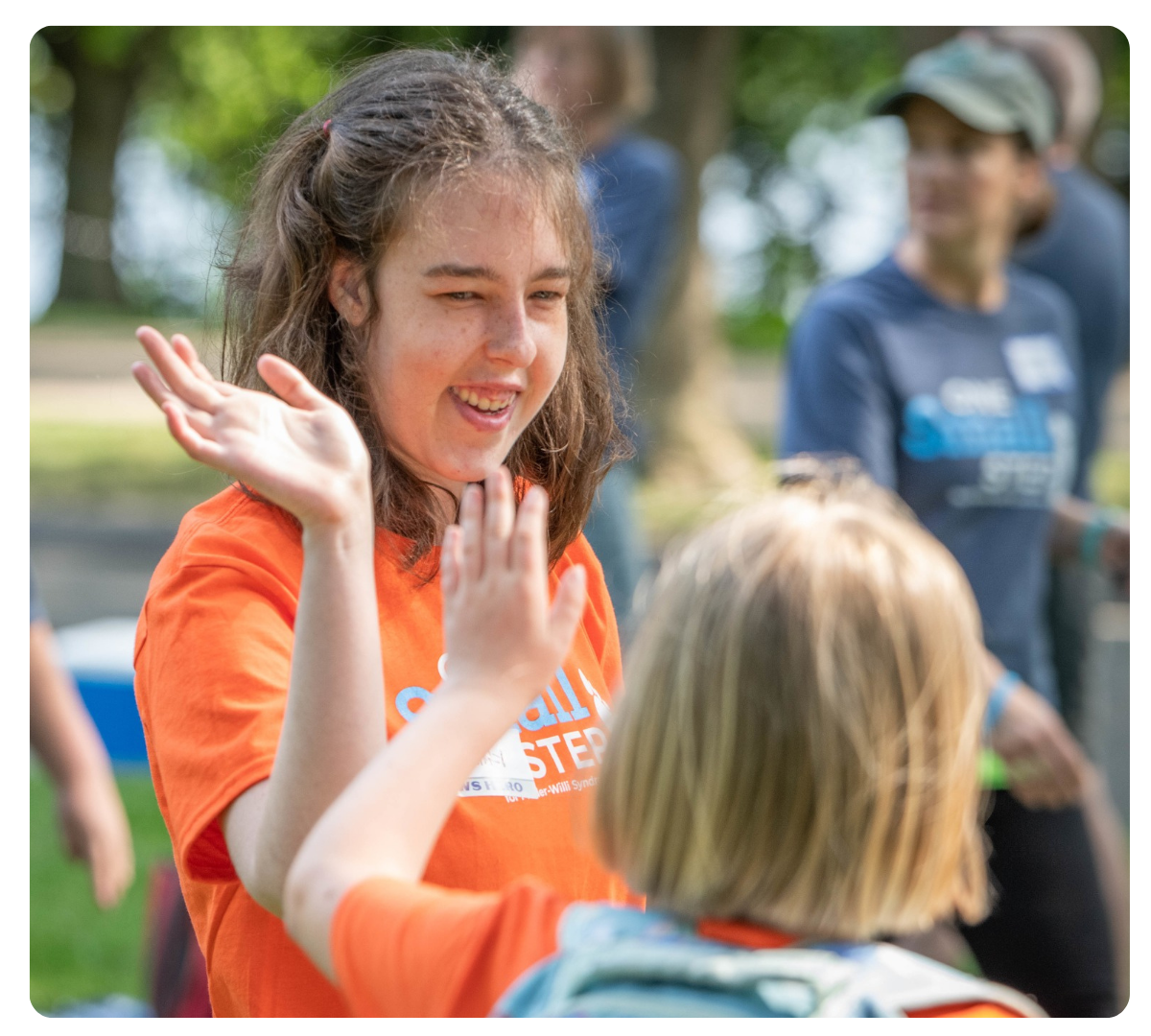
Young woman smiling and raising her hands while interacting with another person at an outdoor FPWR event.
People with PWS can benefit from support in learning and practicing social skills. 

BOSS Social Skills Program for Teens and Adults with PWS


The Building Our Social Skills (BOSS) curriculum is a free, evidence-informed social skills program developed specifically for teens and adults with Prader-Willi syndrome. Designed to address many of the social challenges commonly seen in PWS, BOSS uses structured lessons, group discussion, role-playing, and practice activities to help participants recognize facial expressions and emotions, understand tone of voice and nonverbal communication, manage frustration and strong emotions, build friendships, and navigate everyday social situations.

BOSS participants and their families have reported:

  • improved overall social function
  • fewer behavior problems
  • using calming techniques to help manage emotions in day-to-day situations
  • connecting with other group participants

The BOSS curriculum is available to download. The program requires a facilitator who can ensure a safe, nonjudgmental space and three to six dedicated group participants to meet weekly for 10 weeks.

Like many skills, social skills improve with repetition. The BOSS curriculum includes weekly sessions, homework activities, and opportunities to practice skills between meetings. This repeated exposure helps participants apply what they learn in everyday situations.

Three girls smiling together with their arms around each other indoors.

Building our Social Skills (BOSS) Program Curriculum

The Building our Social Skills (BOSS) program curriculum is available for free download. A skilled facilitator is highly recommended to support a small, dedicated group of 3-6 individuals with PWS. Learn more about the curriculum and download. 

Heading 1

with a request body that specifies how to map the columns of your import file to the associated CRM properties in HubSpot.... In the request JSON, define the import file details, including mapping the spreadsheet's columns to HubSpot data. Your request JSON should include the following fields:... entry for each column.

Key Takeaways

Social skills can be challenging for individuals with PWS, affecting friendships, family relationships, school, work, and community participation. Research has shown that people with PWS may process social information differently than their typically developing peers, making it harder to recognize emotions, interpret social cues, understand others' perspectives, and navigate complex social situations. At the same time, many individuals with PWS are highly motivated to connect with others and build meaningful relationships.

The good news is that social skills can be taught, practiced, and strengthened over time. Early intervention, structured opportunities for social interaction, and targeted programs such as BOSS can help individuals with PWS build confidence and develop important social and emotional skills. Ongoing research continues to improve our understanding of social development in PWS and is driving the creation of new resources. As our knowledge grows, so do the tools available to help individuals with PWS build stronger relationships and thrive in their communities.


We gratefully acknowledge the contributions of Anastasia Dimitropoulos, Ph.D., Elizabeth Roof, MA, and Lauren Schwartz, Ph. D., for their input on this project.