Topics: Parents
Caring for a child or adult with Prader-Willi syndrome (PWS) often means juggling medical appointments, behavior plans, daily routines, and the emotional ups and downs that come with them. Too often, caregivers put their own needs last — not because ...
As we wrap up 2025, we’re celebrating a year shaped by real progress… scientific breakthroughs, new treatment pathways, and meaningful improvements in care for people with Prader-Willi syndrome (PWS) and Schaaf-Yang syndrome (SYS).
Topics: News
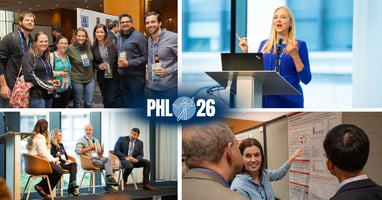
Mark your calendars and join us October 9–10, 2026, as parents, caregivers, and medical professionals from across the country gather in Philadelphia, Pennsylvania for FPWR’s 2026 PWS Family Conference — a two-day event designed to connect, learn, and...
Behavioral challenges are one of the most complex parts of Prader-Willi syndrome (PWS). Anxiety, rigidity, difficulty with transitions, and emotional overwhelm can affect daily life at home, at school, and in the community. Families often ask: Will t...
We are pleased to announce the recipients of our second round of grants for 2025, totaling $925,117 in awards, as part of the Foundation for Prader-Willi Research’s (FPWR) ongoing commitment to advancing innovative research and bold initiatives in Pr...
Topics: Research, Schaaf-Yang Syndrome
Background In response to Acadia Pharmaceuticals’ announcement that the COMPASS-PWS Phase 3 trial of intranasal carbetocin did not meet its primary or secondary endpoints and would not advance further, the Foundation for Prader-Willi Research (FPWR) ...
Understanding the endocrine system is essential for managing Prader-Willi syndrome (PWS). From infancy through adulthood, hormone-related challenges shape growth, development, metabolism, and overall health. In this 2025 FPWR Conference presentation,...
Topics: Therapeutic Development, Research
A special blog contribution from our 2025 FPWR Art Auction Participants.
Topics: Stories of Hope
Clinical trials are the bridge between discovery and real-world treatments, and families in the Prader-Willi syndrome (PWS) community play a critical role in making them possible.
Topics: Research, Clinical Trials Opportunities