


Food, hunger, mealtimes, eating — these are all important issues for people with PWS and their families. Sara Parker knows all about feeding challenges and PWS. She's a speech pathologist who specializes in pediatric feeding and has spent more than t...
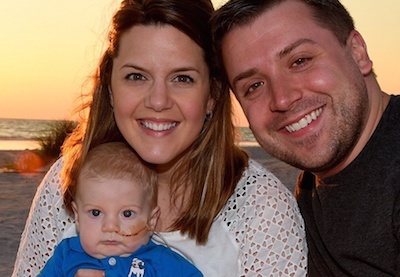

A special contribution by One SMALL Step host Samantha Kalasek Once upon a time, there was a "boy mom" blessed to be outnumbered. She believed she was living a very basic tale until she turned the page and realized it was actually a choose-your-own-a...
Topics: Stories of Hope

Dr. James Hougland is a multi-award–winning biochemist at Syracuse University and recipient of a 2013 BIG Grant through the Foundation for Prader-Willi Research. FPWR funded his study on ghrelin O-acyltransferase (GOAT), an enzyme that modifies ghrel...
Topics: Research

Schaaf-Yang Syndrome (SYS) is a rare genetic condition that shares some clinical features with PWS. SYS is caused by the disruption of the MAGEL2 gene on chromosome 15, which is also missing in people with PWS. People with each of the syndromes exper...
Topics: Research

While genetic therapy has the potential to be transformative for Prader-Willi syndrome, the fact is genetic therapy technology is still in its early stages and it could be many years before it’s viable for PWS. While FPWR continues to move genetic ap...
Topics: Research

Imaginative play has an important role in child development. Scientific evidence suggests that the ability to engage in "pretend play" may translate into increased abilities in social interactions and social-cognitive function. However, children with...
Topics: Research

Many of the clinical trials for therapies in PWS involve a drug treatment of some sort. However, there is also ongoing work exploring other ways to improve behaviors and possibly hyperphagia (excessive appetite) in PWS. One such approach is transcran...
Topics: Research
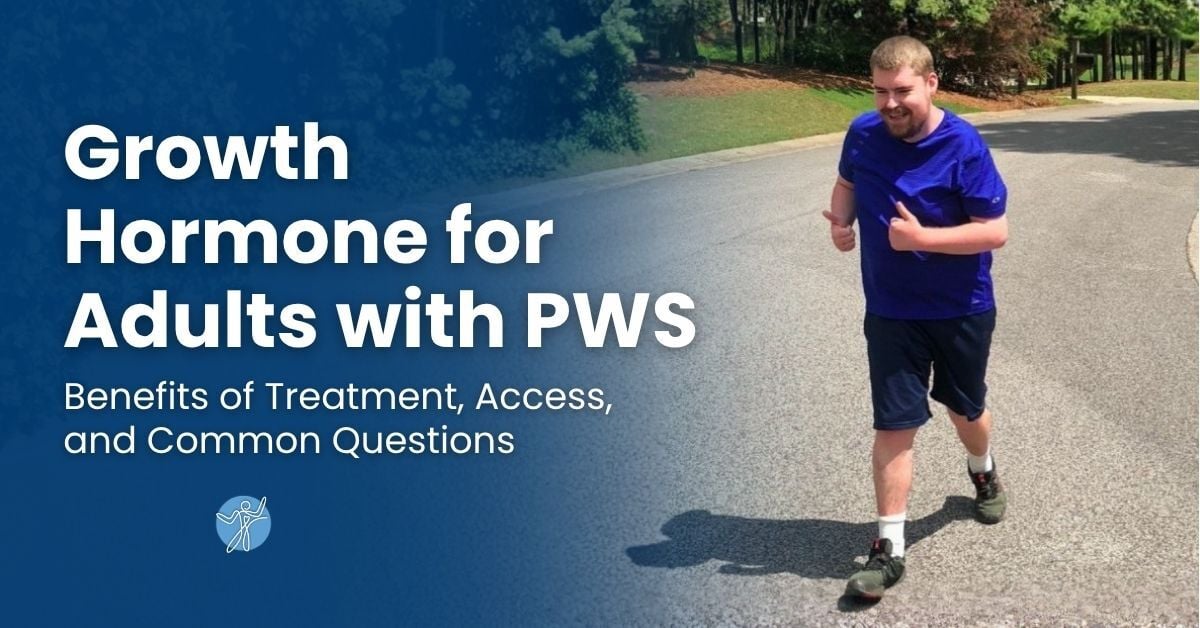
Growth hormone (GH) therapy has transformed the lives of people with Prader-Willi syndrome (PWS). For more than two decades, growth hormone treatment has been recognized as a cornerstone of care in children with PWS, improving not only height but als...

This article is adapted from a presentation by Jennifer Miller, Ph.D. Human growth hormone therapy for PWS been proven to improve characteristic delays in physical and social development, and the cognitive benefits of human growth hormone for PWS are...
Topics: Research